
For my last post on the Appomattox Court House visit, I invite you to walk around the village with me.
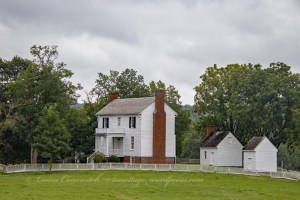
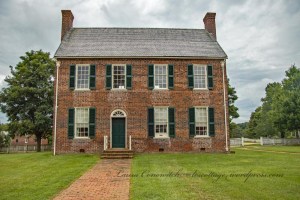
The historic Isbell House serves as the park headquarters and not open to the public. It was built in 1849 by the brothers Thomas S. and Henry F. Bocock. Thomas was a member of the United States Congress and Speaker of the Confederate House of Representatives. At the time, Henry was Clerk of the Court for Appomattox County.
During the Civil War the home was occupied by Lewis D. Isbell, who represented the county at the 1861 secession convention. Isbell also served as the Commonwealth Attorney for Appomattox County.
*Clicking on a photo will give you a closer look!
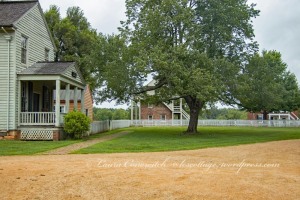
The original courthouse was constructed in 1846, one year after Appomattox County was established. The courthouse played no role in Lee’s surrender; it was closed on April 9th because it was Palm Sunday.
Appomattox Courthouse serves as the park visitor center and museum.
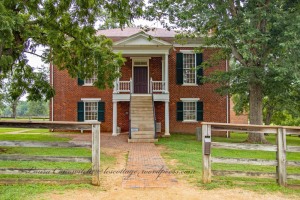
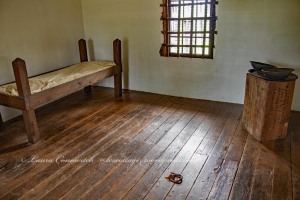
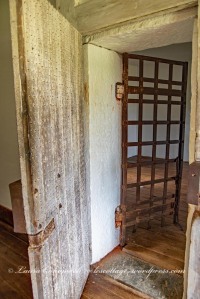
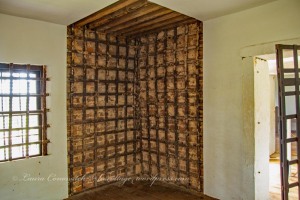
The New County Jail is directly across the Richmond-Lynchburg Stage Road from the site of the first county jail. Begun about 1860, but not completed until after the Civil War in 1870.
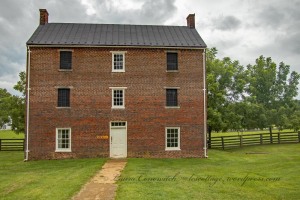
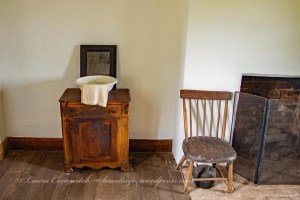
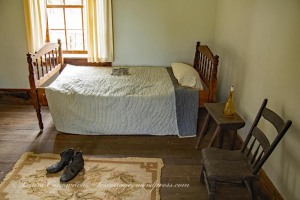
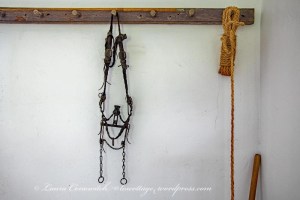
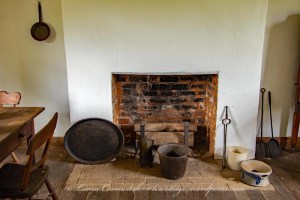
The Clover Hill Tavern was built by Alexander and Lilburne Patteson in 1819 as a stagecoach stop for travelers on the Richmond-Lynchburg Stage Road.
For several decades, it offered the village’s only restaurant, only overnight lodging, and only bar. The kitchen, guest quarters, and slave quarters were built behind the tavern. Its presence helped prompt the Virginia legislature to locate the Appomattox County seat here. The courthouse was built across the street.
By 1865, the tavern had come on hard times – a “bare and cheerless place”, according to one Union general. It was one of only two buildings in town used by the Federal army during the surrender process.
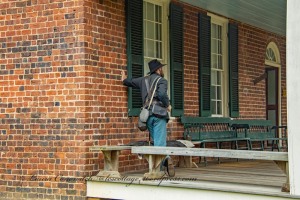
Here, on the evening of April 10, 1865, Union soldiers set up printing presses and started producing paroles for the surrendered Confederates. The Federals printed more than 30,000 parole documents in the span of about 30 hours here.
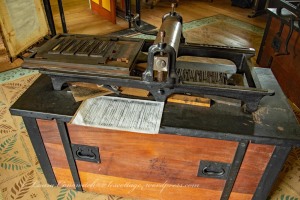
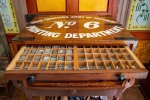
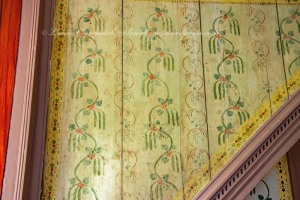
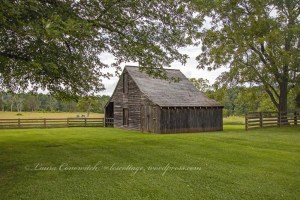

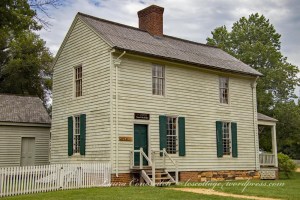
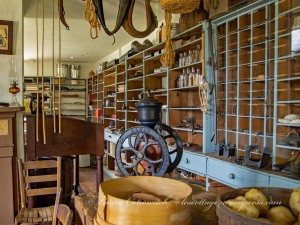
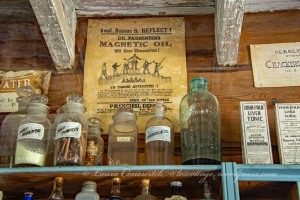
The Plunkett-Meeks Store (restored) was constructed in 1852 by John H. Plunkett and was purchased in the early 1860s by Francis Meeks, who served as the local postmaster and druggist. It was later the home of a Presbyterian minister who presented it to his church for use as a clergy residence.
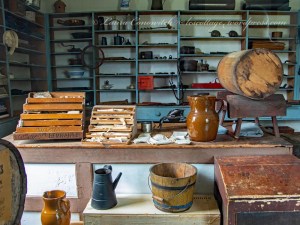
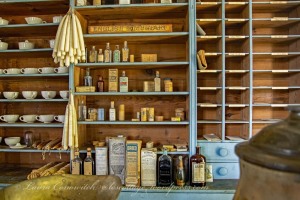
The first floor interior is a single room furnished and interpreted as a general store and post office.
Appomattox Courthouse Village Part 1
Appomattox Courthouse Village Part 2
See the world around you!




 LC's Cottage
The interpretation of the general store is my favorite building. So interesting, no wonder people gathered there.
LikeLiked by 1 person
Lots to look at in the general store…I can see why folks would spend time there. 🙂
LikeLiked by 1 person
That wallpaper!!!!!
LikeLiked by 1 person
I wasn’t sure whether to include that or not…I find the original wall coverings interesting, but do others? I guess they do! That section was the only original bit left, and if I remember right, was painted. 🙂
LikeLiked by 1 person
We’ve scheduled a trip to Bennett Place after reading about it on your blog. I didn’t realize Appomattox Courthouse was a whole historic site. Looks interesting.
LikeLiked by 1 person
Thank you for sharing that with me! I generally think of my blog as a personal journal, but I like sharing and inspiring others if I can.
Having been born and raised on the west coast, everything on the east coast is new and interesting to me when I visit there. I hope you enjoy your visit to Bennett Place! 🙂
LikeLiked by 1 person
I love walking through those old general stores…we used to have a little general store not from us for years, an older couple ran the store,there was an old wood stove in it.Neighbors would gather there to chat before getting whatever they needed,or maybe it you had time to kill ,play a game of checkers.
LikeLike
They had wood heat in this store, too. It was a fun step back in time! 🙂
LikeLiked by 1 person
Great photos. Especially love the exposed work in the one building, and seeing all the old furnishings. General stores are always so intriguing. I remember an old store in our town that had lots of great cubbies like that – it did have fabric in it. Fun to see these photos.
LikeLike
Yeah, I found that exposed work very interesting…there will be no breaking through the walls of that jail! It is definitely fun to step into these old buildings! 🙂
LikeLike