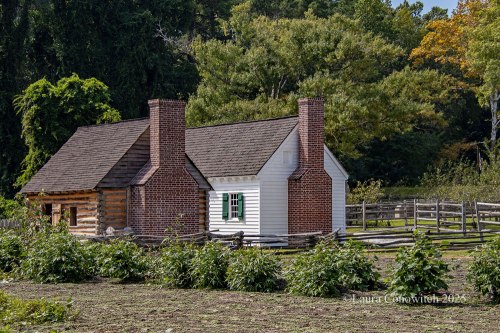
Tag Archives: Revolutionary War

Cross Country Vacation Sept./Oct. 2025-Post 12

Emmet Park and River Street, Savannah, Georgia

This is my first time to visit the south of the USA.

I am in love!

The Hubster and I took sooooo many photos! How does one choose just a few for a couple of blog posts?

Maybe I will come back to Savannah someday; I hope so! Savannah is America’s first planned city and was established in 1733 by British General James Oglethorpe as a place of hope and refuge for Britain’s poor.

On this visit, we spent time in Emmet Park.

Once known as the Strand and later as Irish Green because of its proximity to the Irish residents of Savannah’s Old Fort neighborhood, this park was renamed in 1902 for the Irish patriot Robert Emmet (1778-1803) to commemorate the centennial of his death. Emmet, who led an unsuccessful Dublin uprising for Irish independence and was executed for treason, was a hero to Savannah’s Irish community. Emmet is best known for the speech in which he asked that his epitaph not be written until ‘my country takes her place among the nations of the earth.’ Emmet Park remains an important center of ceremonial congregation for Savannahians of Irish descent.

Emmet Park, Savannah, Georgia

*Clicking on a photo will give you a closer look!

Beautiful Emmet Park is lined with stately oak trees, overlooks the waterfront, and features several memorials (a few I am sharing in this post).

The Vietnam War Memorial honors 106 Chatham County service members who died during the Vietnam War, as well as 25,000 other veterans from coastal Georgia. It was dedicated on June 29 1991.

Emmet Park, Savannah, Georgia

Noble Wimberly Jones was an American physician of Savannah. He was born in Lambeth, England, and immigrated to North America with his parents, who settled in Savannah in 1733. Jones was a leading Georgia patriot in the American Revolution, and served as a delegate to the Continental Congress in 1781 and 1782.

Emmet Park, Savannah, Georgia

Old Harbor Light stood 77 feet above the river level and was illuminated by gas. Erected by the federal government in 1858 as a rear range light for the Fig Island Lighthouse, it served for several years as a guide to vessels passing over the hulls of ships that the British scuttled in 1779 to close the harbor to the French naval forces. During the Siege of Savannah that year by the French and Americans, the warship Truite, commanded by the Count de Chastenet de Puysegur, shelled this area of Savannah from her anchorage in Back River opposite this point.
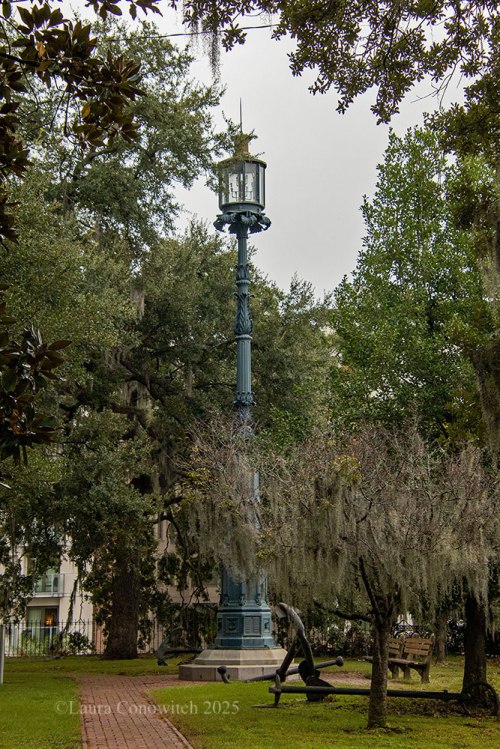
Emmet Park, Savannah, Georgia

Emmet Park, Savannah, Georgia

The Chatham Artillery Monument honors the military unit founded in 1785 (it was first known as the Savannah Artillery), composed of men who had fought in the Revolutionary War. The company was deployed in the marshes around Savannah, defending the city from enemy attacks; in subsequent wars against the British and the Seminoles; and later in the Civil War.
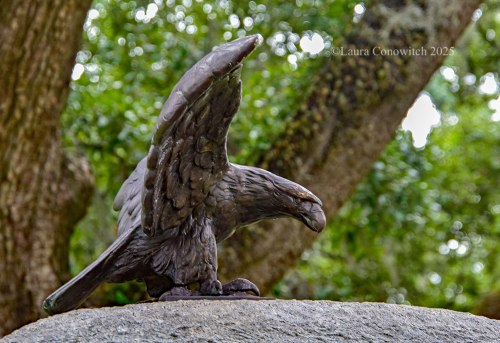
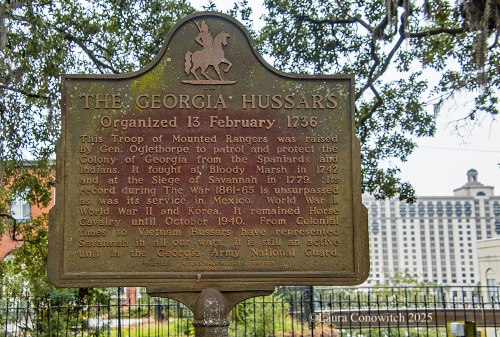
Emmet Park, Savannah, Georgia

Emmet Park, Savannah, Georgia

Emmet Park, Savannah, Georgia

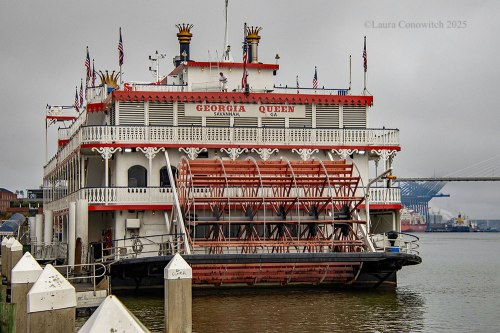
It is an easy walk from Emmet Park to River Street and the Savannah River waterfront.

“The century old buildings, once cotton warehouses, have been converted to antique shops, distinctive boutiques, spectacular galleries, quaint brew pubs, fabulous restaurants, unique nightspots, elegant inns and hotels. Bustling with welcoming hospitality, it’s also the place to see Savannah from the river that made her by taking a cruise or watching ships from around the globe sail into one of the busiest ports in America.”
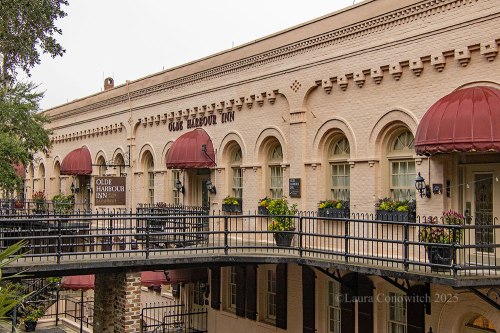
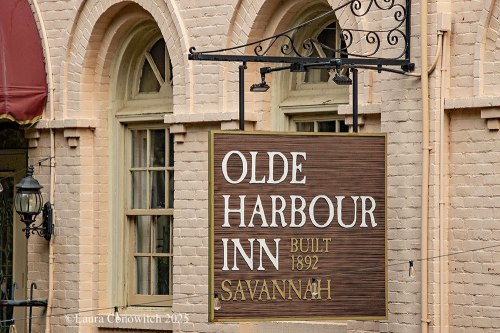
Historic District, Savannah Waterfront, Georgia

Historic District, Savannah Waterfront, Georgia

Historic District, Savannah Waterfront, Georgia

Historic District, Savannah Waterfront, Georgia

Historic District, Savannah Waterfront, Georgia

Historic District, Savannah Waterfront, Georgia

The African American Family Monument depicts a “newly emancipated family of four standing together in an embrace. While the figures are positioned to face both the Savannah River and the west coast of Africa, their modern clothing and the broken chains at their feet symbolize a new beginning in the Americas”.
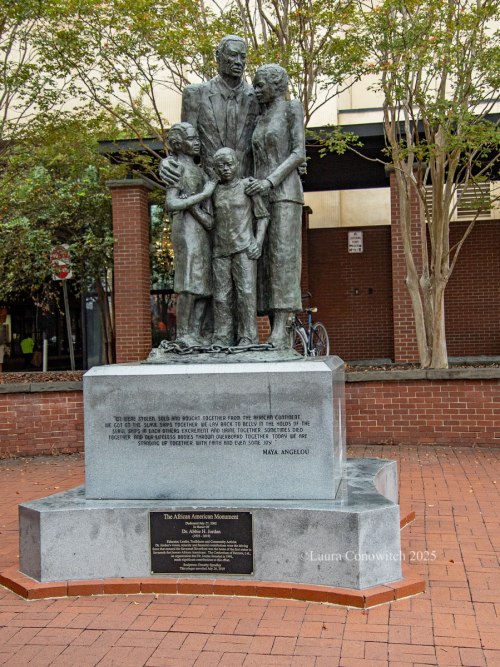
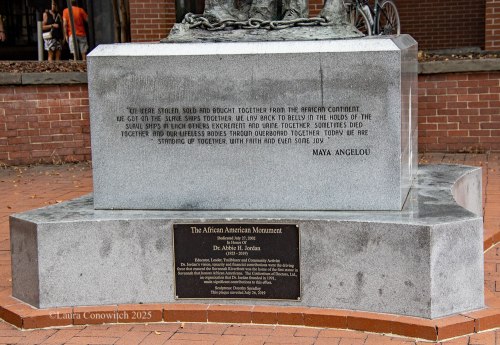
Historic District, Savannah Waterfront, Georgia

Historic District, Savannah Waterfront, Georgia

Chatham County Courthouse

Historic District, Savannah Waterfront, Georgia

Historic District, Savannah Waterfront, Georgia

Historic District, Savannah Waterfront, Georgia

Emmet Park, Savannah, Georgia

See the world around you!

More Travel Posts:
Cross Country Vacation Sept./Oct. 2025-Post 10

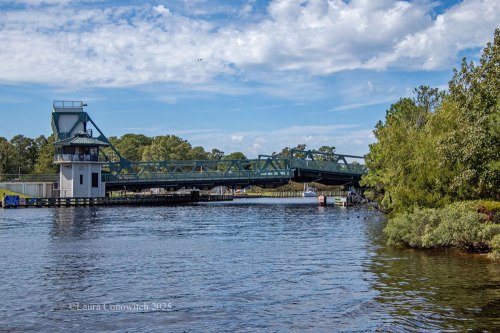
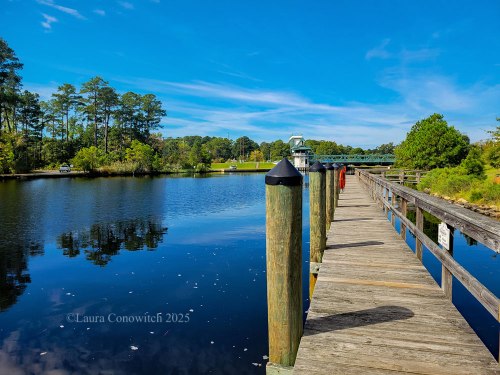
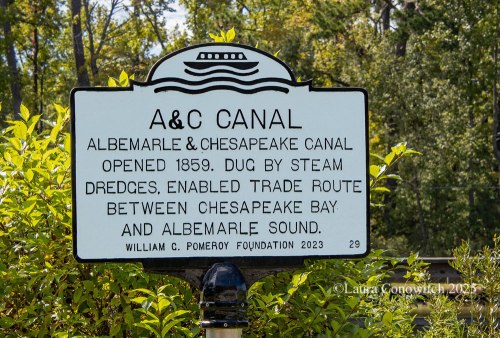
Albemarle and Chesapeake Canal

Great Bridge Battlefield Museum

The fam took the Hubster and I to see the Albemarle and Chesapeake Canal.

This man-made waterway connects Chesapeake Bay in Virginia and the Albemarle Sound in North Carolina.

The idea for the canal was proposed initially by William Byrd II in 1728. William Byrd II was an American planter, lawyer, surveyor and writer, politician and statesman, and considered the founder of Richmond, Virginia.

Albemarle and Chesapeake Canal

*Clicking on a photo will give you a closer look!

Albemarle and Chesapeake Canal

Albemarle and Chesapeake Canal

Albemarle and Chesapeake Canal

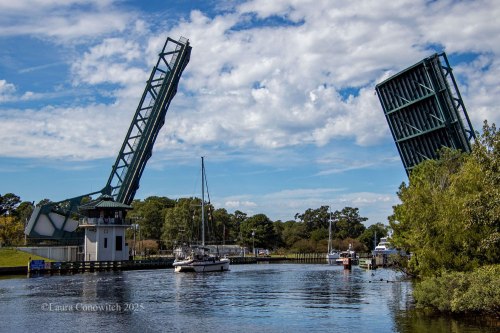
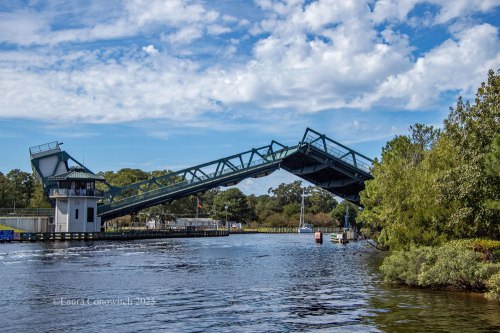
We enjoyed watching the bridge open up and let waterway traffic through.

Albemarle and Chesapeake Canal

Albemarle and Chesapeake Canal

Albemarle and Chesapeake Canal

Albemarle and Chesapeake Canal

Albemarle and Chesapeake Canal

The waterway project was authorized by Virginia fifteen years before the Dismal Swamp Canal, but work was not begun until after a series of delays.

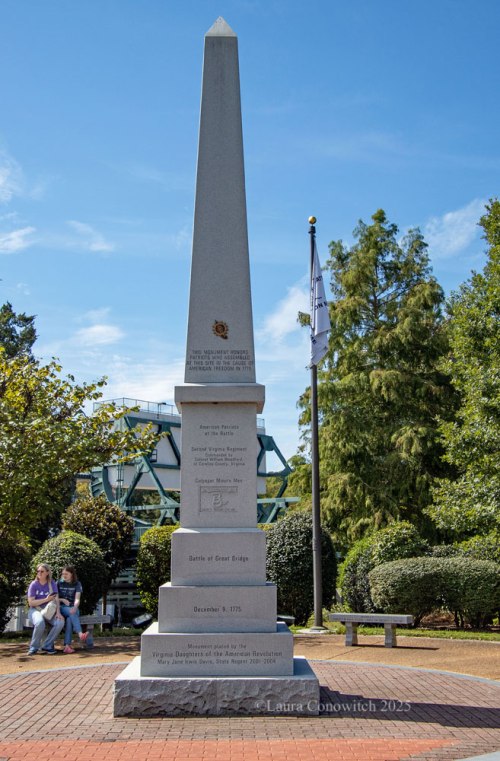
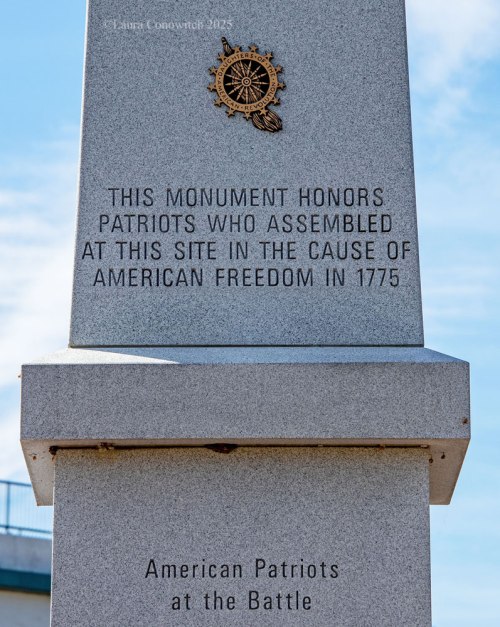
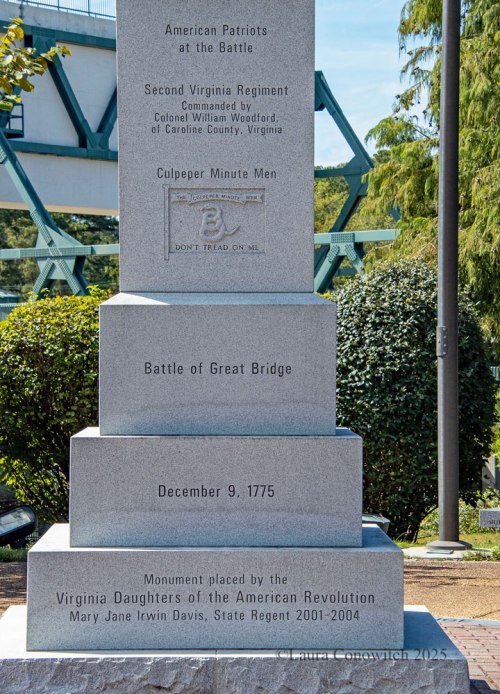
The first delay, caused by the Revolutionary War, was the first land battle on Virginia soil at Great Bridge.

Albemarle and Chesapeake Canal

Great Bridge Battlefield

“The Great Bridge Battlefield & Waterways History Foundation protects, preserves, and promotes the history of the Battle of Great Bridge, December 9, 1775, and the region’s Revolutionary War and canal history to educate the public about the importance of these events in the creation and growth of America.”

Great Bridge Battlefield

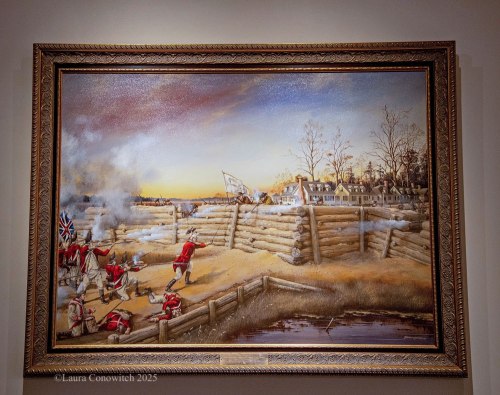
“The primary approach to Norfolk was over Great Bridge, which spanned the Elizabeth River. The bridge was surrounded on both sides by the Great Dismal Swamp and was accessible only by narrow causeways on both the north and south sides. Both the Patriots and the British recognized the bridge’s importance.”

The battle lasted less than an hour.

It is estimated that at this battle, the British suffered 102 casualties and the Patriots suffered 1.

There is an overview of the Great Bridge Battle here.

Great Bridge Battlefield

Great Bridge Battlefield

“Colonel William Woodford, reporting on the 2nd Virginia Regiment’s service at the battle, wrote in a letter published in Purdie’s Virginia Gazette, December 15, 1775: “This was a second Bunker’s Hill affair, in miniature; with this difference, that we kept our post, and had only one man wounded in the hand.”

Great Bridge Battlefield

Great Bridge Battlefield

There is an admission cost to the museum, but it is worth the visit.

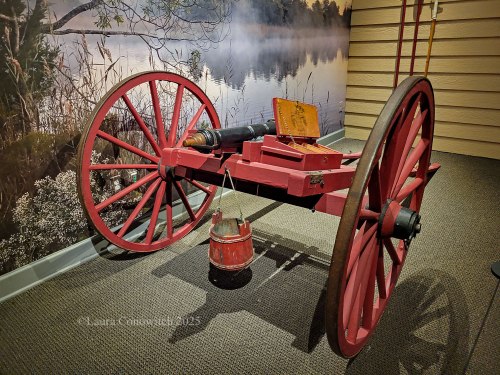
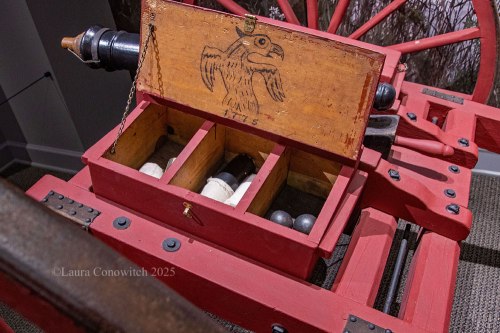
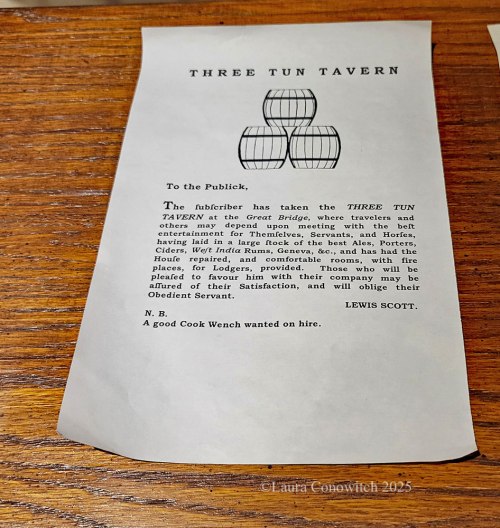
“Experience life in 18th century Virginia, learn about the water that defined the landscape, visit a Three Tun Tavern and find yourself in the middle of the Battle of Great Bridge! Visitors can explore eight galleries with interactive displays showcasing the battle and waterway history.”

Great Bridge Battlefield

Great Bridge Battlefield

Great Bridge Battlefield

Great Bridge Battlefield

Great Bridge Battlefield

Great Bridge Battlefield

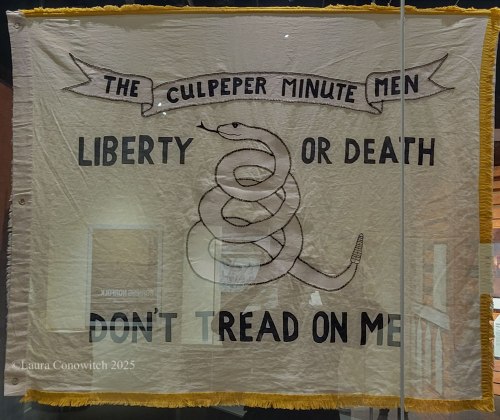
I know I have a lousy photo of the flag. It was difficult not to get reflections from the glass.

The museum’s website has much better photos than I do.

Great Bridge Battlefield

They also have a very nice gift shop and the park has a historic interpretive pathway, an outdoor amphitheater, a recreation of the causeway from 1775, and a family picnic area.

See the world around you!

More Travel Posts:

Cross Country Vacation Sept./Oct. 2025-Post 8

Yorktown, Virginia Part 2

In the previous post, I shared about a visit to the American Revolution Museum at Yorktown. If you love American history, this is a great place to go if you can!

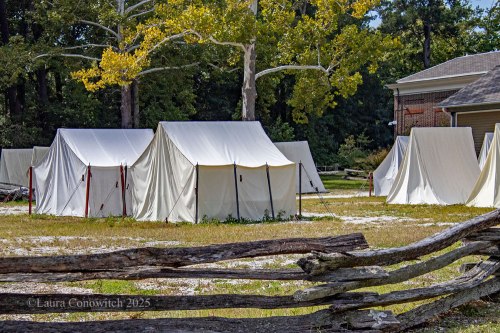
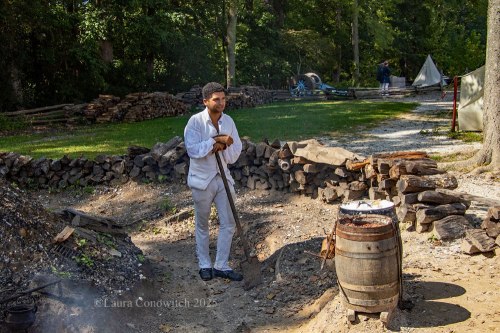
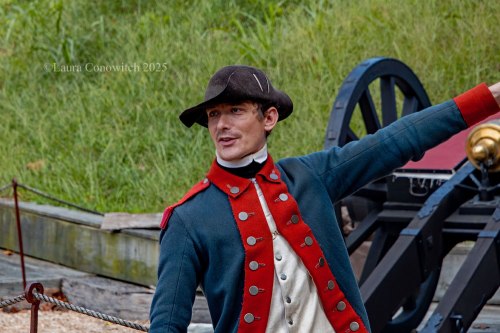
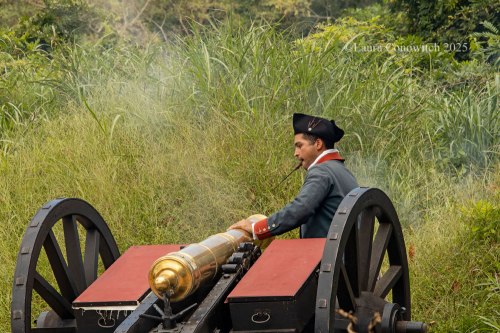
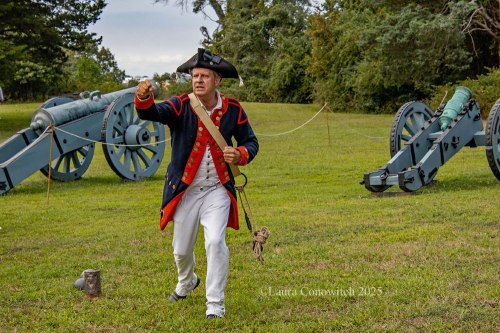
Aside from the museum, one can also visit the Continental Army Encampment.

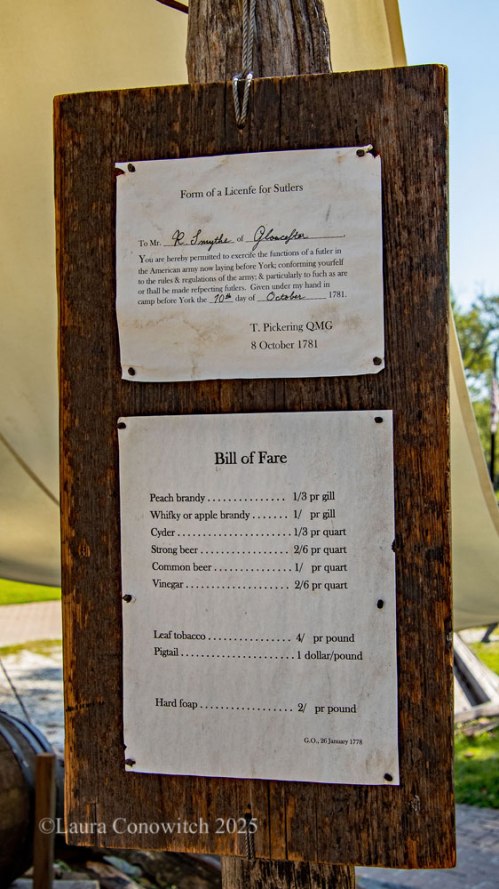
“Historical interpreters describe and depict daily routines of American soldiers, with demonstrations of military drills, musket and seasonal artillery firing, 18th-century surgical and medical practices, and the role of the quartermaster in managing troop supplies.”

American Revolution Museum at Yorktown

*Clicking on a photo will give you a closer look!

American Revolution Museum at Yorktown

American Revolution Museum at Yorktown

American Revolution Museum at Yorktown

American Revolution Museum at Yorktown

American Revolution Museum at Yorktown

American Revolution Museum at Yorktown

American Revolution Museum at Yorktown

American Revolution Museum at Yorktown

American Revolution Museum at Yorktown

American Revolution Museum at Yorktown

American Revolution Museum at Yorktown

American Revolution Museum at Yorktown

American Revolution Museum at Yorktown

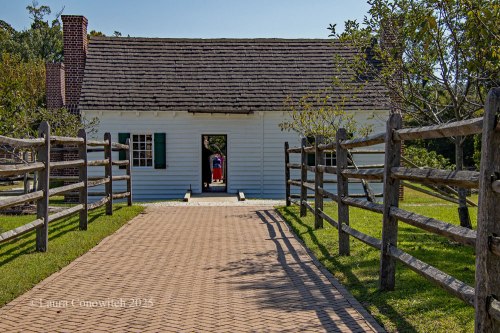
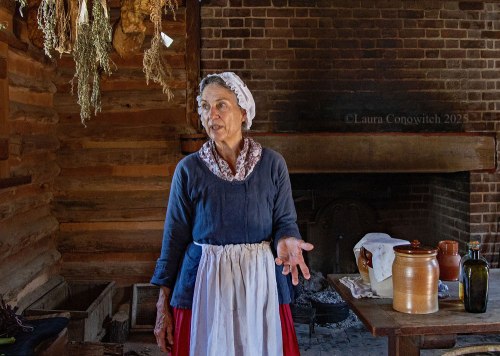
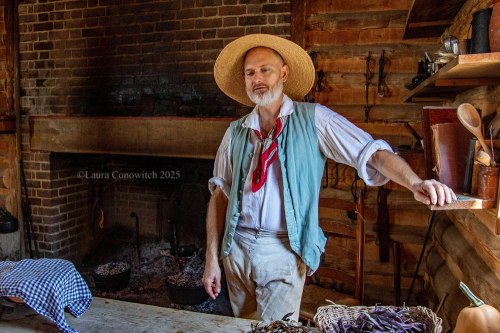
There is also a revolution-era farm based upon ‘Edward Moss (c.1757-1786), whose life is well-documented in York County, Virginia, records.’

American Revolution Museum at Yorktown

Historical interpreters talk about farm and domestic life.

American Revolution Museum at Yorktown

American Revolution Museum at Yorktown

American Revolution Museum at Yorktown

American Revolution Museum at Yorktown

American Revolution Museum at Yorktown

American Revolution Museum at Yorktown

The log cabin with its own little garden area is the enslaved workers quarters.

American Revolution Museum at Yorktown

American Revolution Museum at Yorktown

Learn about crops, such as tobacco.

American Revolution Museum at Yorktown

American Revolution Museum at Yorktown

Yorktown is a must-see to make colonial history come alive for you and your children…a great way to learn!

See the world around you!

More Travel Posts: