Tag Archives: Colonial Williamsburg

Colonial Williamsburg Part 3

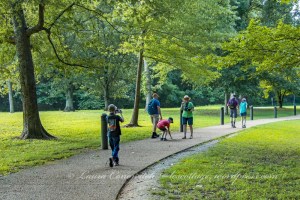
A wander on the streets of Colonial Williamsburg.

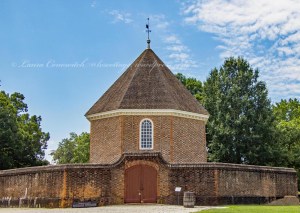
The Powder Magazine was built in 1716 by Governor Alexander Spotswood.

The octagonal shaped 2-story building served as a storage facility for military equipment sent to the colonies from across the pond.

Known locally as the Powder Horn, the Magazine was home for the Gunpowder Incident of 1775 which proved to be the impetus that sparked Virginia’s decision to rebel against the British Empire.
Colonial Williamsburg

*Clicking on a photo will give you a closer look!
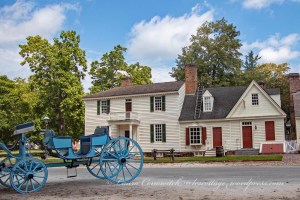
Colonial Williamsburg

Colonial Williamsburg

Colonial Williamsburg

Colonial Williamsburg

Colonial Williamsburg

Colonial Williamsburg

Colonial Williamsburg

Colonial Williamsburg

Colonial Williamsburg

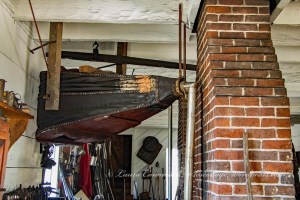
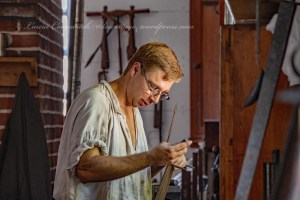
James Anderson, Blacksmith and Public Armourer, conducted his business on this site between 1770 and 1798. During the Revolutionary War, the Armoury employed as many as forty workmen – blacksmiths, gunsmiths, tinsmiths, mailers, and gunstockers – maintaining arms and equipment for Virginia and Continental forces.

Colonial Williamsburg

Colonial Williamsburg

Colonial Williamsburg

Colonial Williamsburg

There is so, so much more to see than I can show you here. Shops of all sorts, taverns, interpreters, a great visitor’s center and more. If you ever get the opportunity, then I highly recommend that you visit Colonial Williamsburg.

I leave you with the Peyton Randolph house.

Colonial Williamsburg

See the world around you!

Colonial Williamsburg Part 2

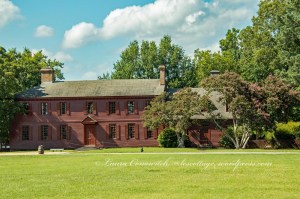
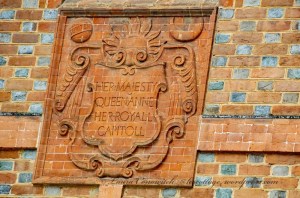
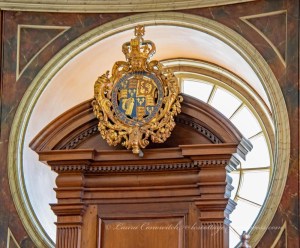
The Hubster and I were blessed to tour the Capitol, the seat of Virginia’s colonial government for 75 years, and stand in places where the beginnings of independence in the country we live in took place.

Colonial Williamsburg

*Clicking on a photo will give you a closer look!

Here Patrick Henry first kindled the flames of revolution by his resolutions and speech against the Stamp Act May 29 – 30, 1765.

Colonial Williamsburg


Here, March 12, 1773, Dabney Carr offered, and the Convention of Virginia unanimously adopted the resolution to appoint a committee to correspond with similar committees in the other colonies: the first step taken towards the union of the states.

Colonial Williamsburg


Here, on May 15, 1776, the Convention of Virginia through resolutions, drafted by Edmund Pendleton, offered by Thomas Nelson Jr., advocated by Patrick Henry, unanimously called on Congress to declare the colonies free and independent states.


Here, June 12, 1776, was adopted by the Convention the immortal work of George Mason, the Declaration of Rights; and on June 29, 1776, the first written Constitution of a free and independent state ever framed.

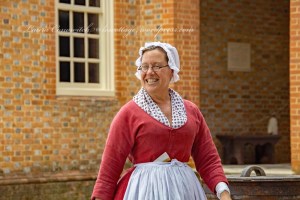
Our very knowledgeable interpreter for both the Governor’s Palace and the Capitol:

Colonial Williamsburg

Colonial Williamsburg

Colonial Williamsburg

Colonial Williamsburg

Colonial Williamsburg

Colonial Williamsburg

Colonial Williamsburg

Colonial Williamsburg

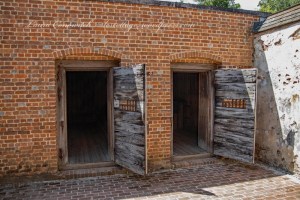
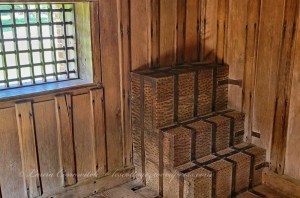
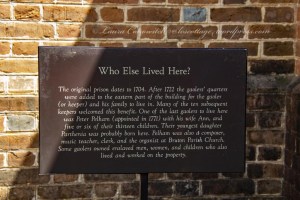
If you’d like to learn more about the public goal, click here. I assure you, you wouldn’t want to ever have been a prisoner here!

Colonial Williamsburg

The latrine:

Colonial Williamsburg

Colonial Williamsburg

See the world around you!

Colonial Williamsburg Part 1

The big reason for this road trip was to see our daughter and her fam in North Carolina!

Colonial Williamsburg

The fam took the Hubster and I to Colonial Williamsburg, a living history museum in Williamsburg, Virginia, where we all had fun and I took a bajillion photos!

Colonial Williamsburg

*Clicking on a photo will give you a closer look!

Colonial Williamsburg

Colonial Williamsburg

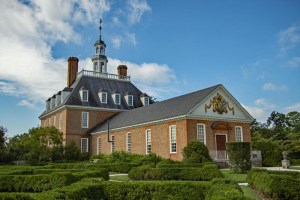
The Governor’s Palace was the home of five Royal Lieutenant-Governors, two Royal Governors, and the first two Governors of the Commonwealth of Virginia, Patrick Henry and Thomas Jefferson.

Colonial Williamsburg

An act by Virginia’s General Assembly in 1706 authorized the construction of a residence in Williamsburg for the Governor. The Palace, completed in 1722, was destroyed by a fire in 1781 while it was being used as a hospital for Americans wounded at the battle of Yorktown.

Colonial Williamsburg

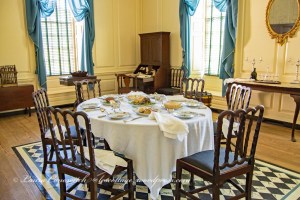
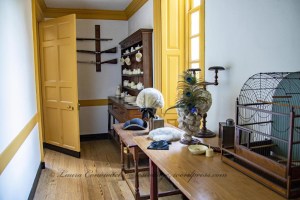
The Palace was reconstructed on its original foundations and is furnished to represent the home of the last British Royal Governor of Virginia, John Murray, the fourth Earl of Dunmore, and his family.

Colonial Williamsburg

Colonial Williamsburg

Colonial Williamsburg

Colonial Williamsburg

Colonial Williamsburg

Colonial Williamsburg

Colonial Williamsburg

Colonial Williamsburg

Colonial Williamsburg

Colonial Williamsburg

Colonial Williamsburg

Colonial Williamsburg

Colonial Williamsburg

Colonial Williamsburg

Colonial Williamsburg

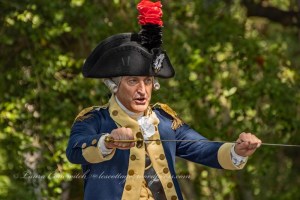
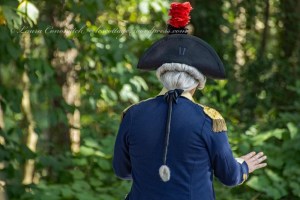
This fantastic storyteller plays the Marquis De Lafayette, Washington’s trusted French officer, whose tactical skill and help securing French support helped clinch victory at Yorktown.

He had entire families spellbound at his feet while he shared history in a very animated way!

Colonial Williamsburg

Lafayette came to Williamsburg during preparations for the Virginia Campaign of 1781. At Yorktown, Lafayette helped to corner Britain’s Lord Cornwallis, whose surrender after several days of siege was a fatal blow that ensured the American victory.

Colonial Williamsburg

See the world around you!