Tag Archives: North Carolina

Beach Day in the Outer Banks

I have been to the Outer Banks before, but this was the Hubster’s first visit here.

We went to the Bodie Light Station.
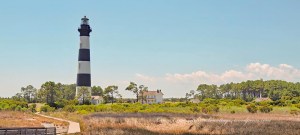
Bodie Island Light Station

*Clicking on a photo will give you a closer look!
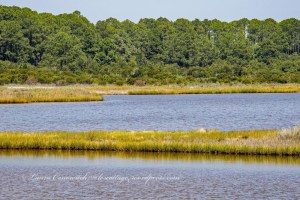
Bodie Island Light Station

According to a local resident, during the previous ten years or so, more than forty-one vessels of various sizes had wrecked within six miles of Bodie Island, so in 1838, Congress appropriated $5,000 to build a lighthouse. It was finished in 1847.

Bodie Island Light Station

It did not last and replacements have been built since. You can read the history here.

Bodie Island Light Station

We also visited the Cape Hatteras Light Station.

Cape Hatteras Light Station

Built in 1870, the Cape Hatteras Lighthouse protects one of the most hazardous sections of the Atlantic Coast.

Due to threatening beach erosion, the Bureau of Lighthouses decommissioned the Cape Hatteras Lighthouse in 1935.

Cape Hatteras Light Station

In 1999, after years of study and debate, the Cape Hatteras Light Station was moved to its present location. The lighthouse was moved 2,900 feet in 23 days and now lies 1,500 feet from the seashore, its original distance from the sea. The Double Keepers’ Quarters, the Principal Keeper’s Quarters, the dwelling cisterns, and the oil house were all relocated with the lighthouse.
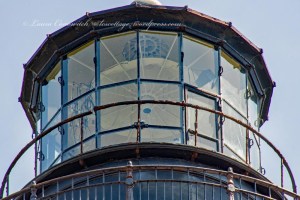
Cape Hatteras Light Station

The National Park Service currently maintains the lighthouse and the keepers’ quarters. The U.S. Coast Guard operates and maintains the automated light.

Cape Hatteras Light Station

You can read about this lighthouse here.
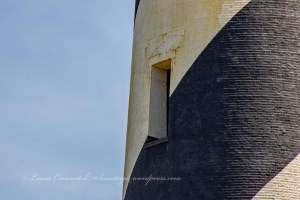
Cape Hatteras Light Station

This lighthouse is under restoration.
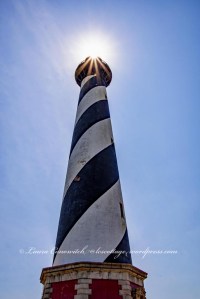
Cape Hatteras Light Station

After visiting the lighthouses, we headed to the beach.
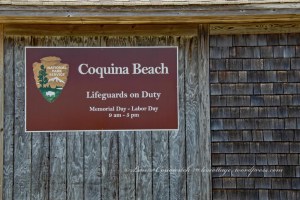
Coquina Beach North Carolina

Coquina Beach was named after the colorful coquina clams that are commonly spotted along the ocean wash of the Outer Banks, and can appear in abundance in the warm spring and summer months.

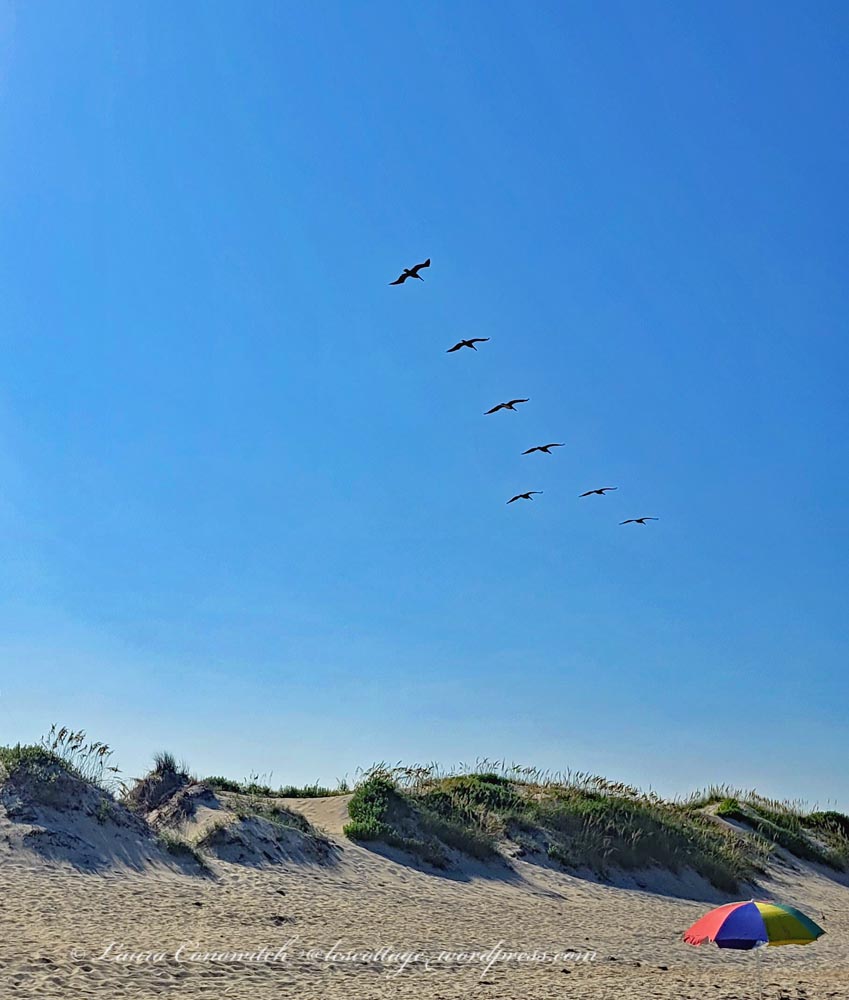
Coquina Beach North Carolina

Coquina Beach North Carolina

The beach has a local claim to fame as the final resting place of the shipwreck Laura Barnes, a four-masted schooner from Maine that was driven onshore in June of 1921. The entire crew was rescued by the Bodie Island Lifesaving Station personnel.

Coquina Beach North Carolina

Coquina Beach North Carolina

See the world around you!
Wright Brothers Memorial National Park

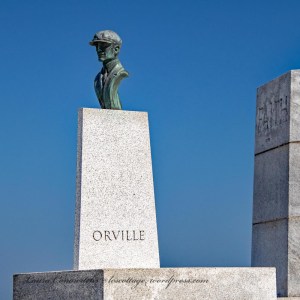
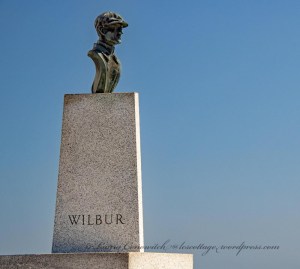
The Wright Brothers National Memorial Park is one of the grandboys favorite places to visit. I don’t think it is because this is the birth place of global flight. I suspect that is so because most of it is outdoors with plenty of space to run.

Wear comfortable clothing and walking shoes. Bring lots of water!

Wright Brothers Memorial National Park

*Clicking on a photo will give you a closer look!

Wright Brothers Memorial National Park

Wright Brothers Memorial National Park

Wilbur and Orville Wright tested their flight theories in Dayton, Ohio.

Why did the Wright Brothers choose Kill Devil Hills in Kitty Hawk, Outer Banks of North Carolina?

“We came down here for wind and sand, and we have got them.” – Orville Wright to his sister, 1900

They also sought privacy here.

Wright Brothers Memorial National Park

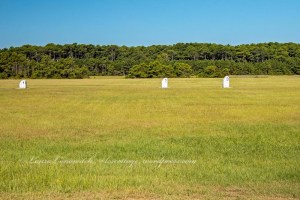
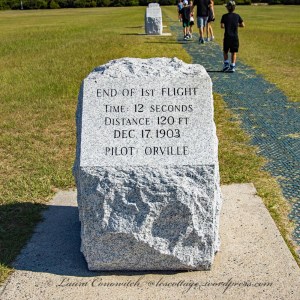
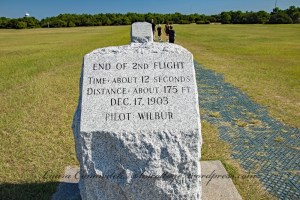
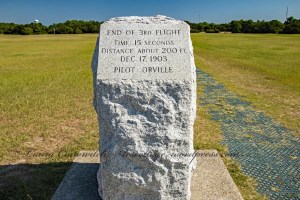
These boulders are the markers of the take-off and landing spots of the first four successful and sustained powered flights.

Wright Brothers Memorial National Park

We pass by the camp on our way out to the markers.

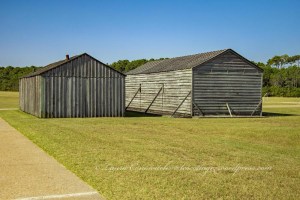
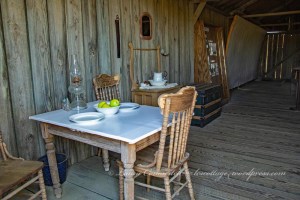
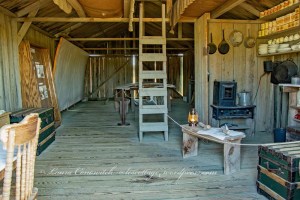
Built on the location where Wilbur and Orville lived while experimenting in the Outer Banks, the reconstructed hangar and living quarters offer a glimpse of what camp life was like for the Wrights in 1903.

Wright Brothers Memorial National Park

Wright Brothers Memorial National Park

Wright Brothers Memorial National Park

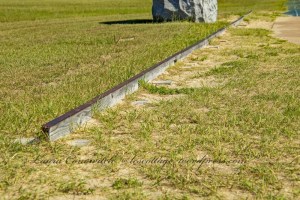
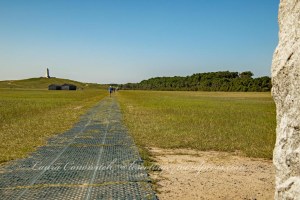
The replica monorail is the launch point.

Wright Brothers Memorial National Park

The boulders are terminating points.

Wright Brothers Memorial National Park

Wright Brothers Memorial National Park

Wright Brothers Memorial National Park

Wright Brothers Memorial National Park

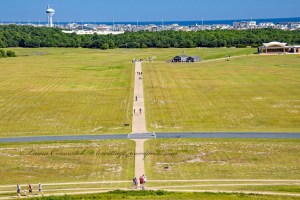
Now that we’ve walked all of the way out to the last flight marker, we are going to make that walk up Big Kill Devil Hill to the monument.

See it? Way yonder, beyond the camp? Aren’t you glad that you wore walking shoes and brought water!

Wright Brothers Memorial National Park

Big Kill Devil Hill was a massive sand dune where the Wright Brothers conducted many flight experiments.

Can you imagine trudging uphill through deep, soft sand carrying your heavy glider?

Wright Brothers Memorial National Park

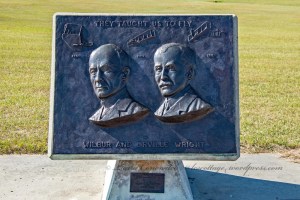
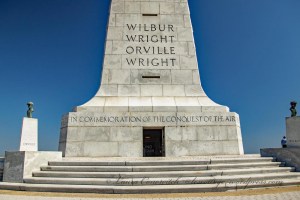
This 60′ granite monument, dedicated in 1932, commemorates the Wright Brothers and their world changing achievements.

Wright Brothers Memorial National Park

Wright Brothers Memorial National Park

Wright Brothers Memorial National Park

The view from the monument at the top of Big Kill Devil Hill.

Yes, you walked all of that.

Yes, you have to walk back.

Wright Brothers Memorial National Park

But before you do, walk that path at the back of the monument.

It leads you to several sculptures.

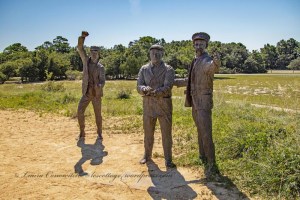
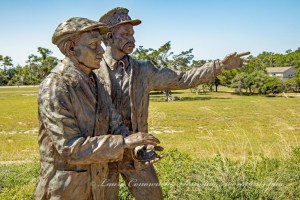
Pictured below is Johnny Moore, a sixteen year old Outer Banks hunting and fishing guide; Adam Etheridge, a member of the US Life Saving Service at Kill Devil Hills, who cared for the camp buildings, and W. C. Brinkley, a lumberman from Manteo who happened to be at the Life Saving Service station when the Wright Brothers signaled for assistance with the Flyer.

Wright Brothers Memorial National Park

Wright Brothers Memorial National Park

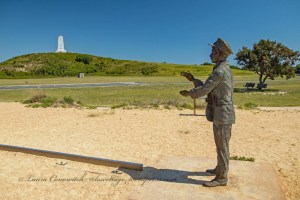
Willis Dough, also a member of the US Life Saving Service at Kill Devil Hills, witnessed and assisted the Wright Brothers in 1908, their last time together.

Wright Brothers Memorial National Park

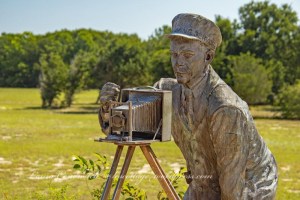
John T. Daniels took the famous photo of the brothers first flight. He was a member of the US Life Saving Service at Kill Devil Hills, too.

Wright Brothers Memorial National Park

If you are interested in aviation history, this is definitely a must-see stop for your bucket list!

See the world around you!
Bennett Place North Carolina

I am going to show my ignorance here, by stating that I did not realize that the surrender of the Northern Army of Virginia by General Robert E. Lee to General Ulysses S. Grant at Appomattox Courthouse did not end the American Civil War.

On our road trip, the Hubster and I discovered Bennett Place, where I learned the rest of the story.

Bennett Place North Carolina

*Clicking on a photo will give you a closer look!
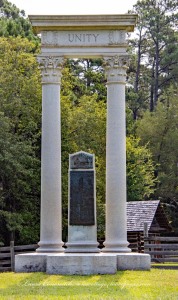
Bennett Place North Carolina

General Joseph E. Johnston was the highest-ranking United States officer to resign his commission and fight for the Confederacy. William T. Sherman left his position as superintendent at Louisiana Seminary and Military Institute to fight for the Union.


The two met in battle in 1861 at First Manassas (Bull Run) where Johnston’s Confederate army forced Union troops, including a brigade led by Colonel Sherman, into a full retreat.


After recovering from wounds sustained in 1862, Johnston was sent to the Western Theater of Operations.


Within two years, the men confronted each other at Vicksburg and again in the Atlanta Campaign.
They faced off for the fourth time, in 1865, in the Carolinas Campaign, and ultimately jointly orchestrated the war’s final chapter at Bennett Place.

Bennett Place North Carolina

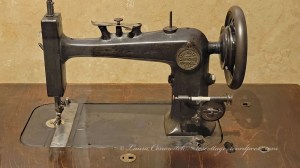
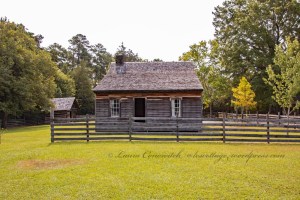
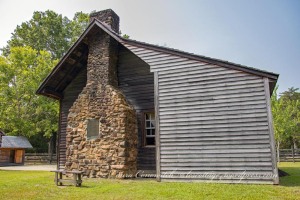
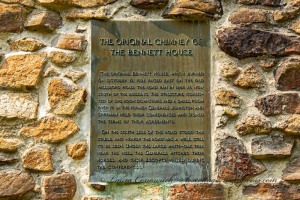
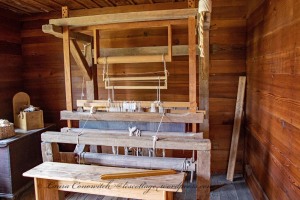
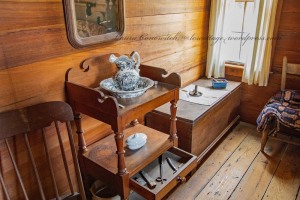
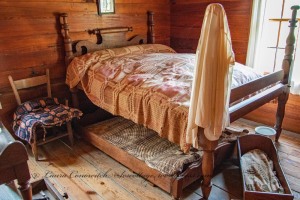
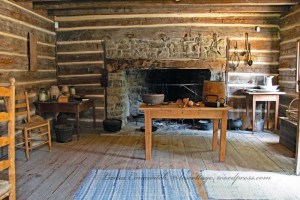
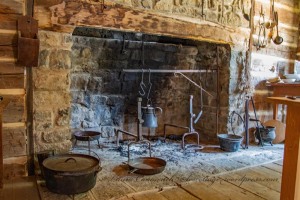
In 1846, James and Nancy (Leigh Pierson) Bennett purchased the property here. They supplemented their farm income by tailoring clothes, selling liquor, providing transportation with their wagon, and renting space in their home to travelers.

Bennett Place North Carolina

Bennett Place North Carolina

Bennett Place North Carolina

Bennett Place North Carolina

Bennett Place North Carolina

Bennett Place North Carolina

Bennett Place North Carolina

Bennett Place North Carolina

Bennett Place North Carolina

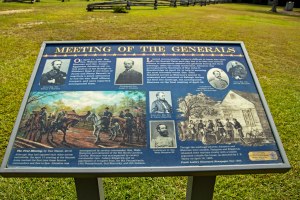
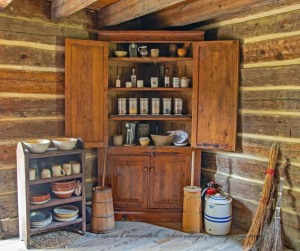
On April 17, 1865, Confederate General Joseph E. Johnston and Union General William T. Sherman, met under a flag of truce midway between their lines on Hillsborough Road, seven miles west of Durham Station, to discuss surrender terms.

Johnston suggested that they use this nearby farmhouse, the home of James and Nancy Bennett, for privacy.

Bennett Place North Carolina

Sherman offered terms similar to those that General Ulysses S. Grant had given to General Robert E. Lee at Appomattox Courthouse, Virginia on April 9, 1865.

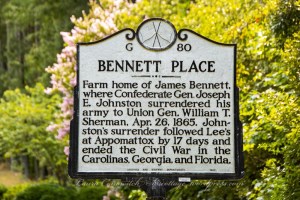
After negotiations, on April 26, Sherman and Johnston met at Bennett Place, where Johnston accepted the terms and surrendered the armies under his command including those in the Carolinas, Georgia, and Florida, about 89,270 Confederates. It was the largest surrender of troops in the war.

Bennett Place North Carolina

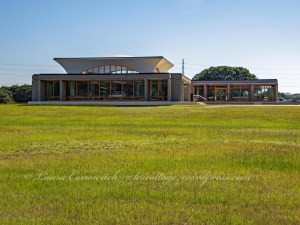
There is a very nice visitor’s center and informative displays at Bennett Place. The employees are knowledgeable and helpful.

Bennett Place North Carolina

Bennett Place North Carolina

See the world around you!