Tag Archives: Grand Village of the Natchez Indians

Cross Country Vacation Sept./Oct. 2025-Post 19

Natchez, Mississippi

This northwestern girl loves Natchez!

I would go back in a heartbeat if I had the opportunity!

Unfortunately, the Hubster and I drove by Mammy’s Cupboard, a roadside icon just south of Natchez, when it was closed. I sure would like to try one of their desserts!
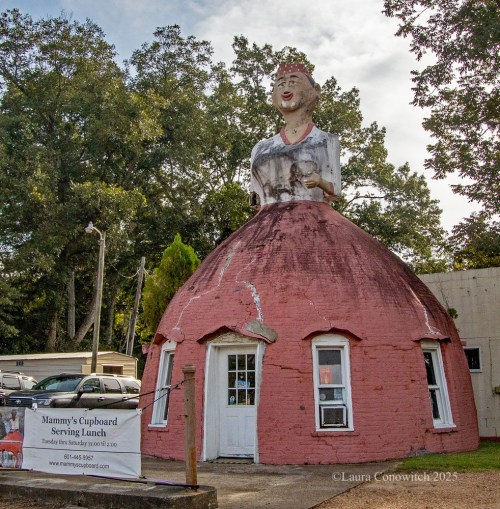
Mammy's Cupboard, Natchez, Mississippi

*Clicking on a photo will give you a closer look!

The name, Natchez, derives from the sun-worshipping and mound-building Natchez Indians, who ceased to exist as a tribe in 1731 when they were conquered by the French.
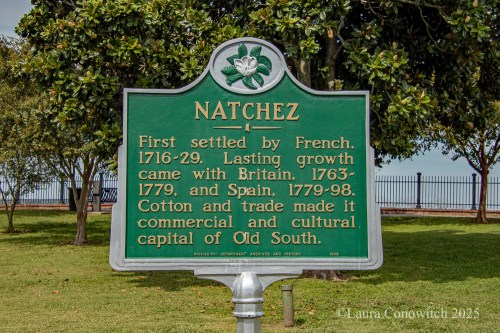
Natchez, Mississippi

If you like antebellum architecture, then come and take a walk with me.
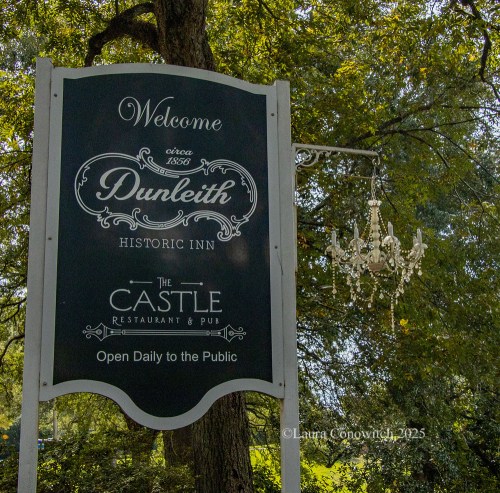
Dunleith Historic Inn, Natchez, Mississippi

The Hubster and I didn’t eat at Dunleith Castle, either, but I love the elegant touch of the chandelier on their restaurant sign!

Dunleith Historic Inn, Mississippi’s only surviving example of a plantation house with a fully encircling colonnade of Greek Revival columns was built by Charles Dahlgreen, who raised two infantry units for service in the Confederacy. Dahlgreen’s brother, John, became an admiral in the Union navy, a case of brother pitted against brother. During the Civil War, the Confederate sympathizer, Alfred Vidal Davis and his family resided at Dunleith.
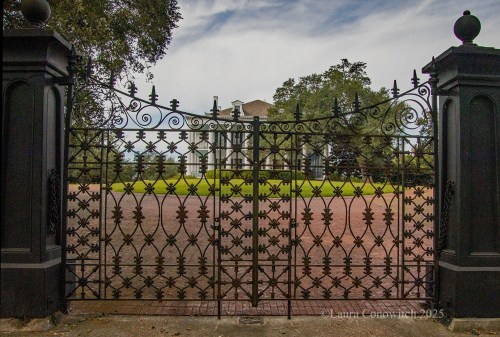
Dunleith Historic Inn, Natchez, Mississippi

I enjoyed learning the story of John Roy Lynch, who lived here, working as a field laborer before the Civil War, and you might, too.

John Roy Lynch was born a slave at Tacony Plantation in Louisiana and self-educated. He would go on to become the first African-American Speaker of the House of Representatives in the Mississippi State Legislature and one of the first African-American U.S. Congressmen.

Awesome achievements, especially considered in the light of his circumstances!
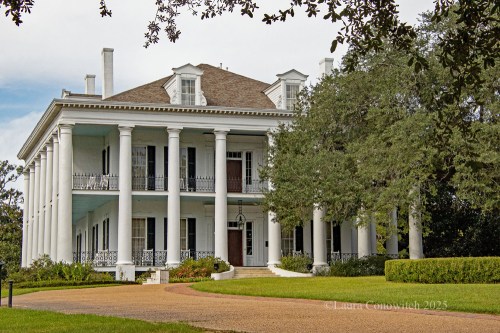
Dunleith Historic Inn, Natchez, Mississippi

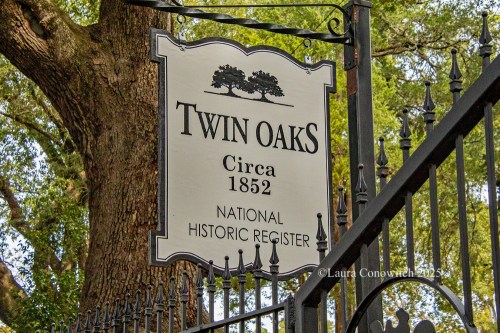
Twin Oaks, Natchez, Mississippi

Twin Oaks, also known as White Cottage, is a Greek Revival style home built in 1852 that is situated on three acres of southern gardens. Twin Oaks was the home to notable residents, such as Mother Cornelia Connelly (her story is also amazing), the founder of the Society of the Holy Child Jesus, and Lewis Evans, a sheriff in the Mississippi Territory. Federal troops stayed in the house during the Civil War.

Charles DuBuisson built the main portion of Twin Oaks in the 1850s, although sections of the house are believed to be much earlier. DuBuisson was a professor of classics at Jefferson College, and later, practiced law in Natchez. His son, also named Charles, was a corporal in the First Mississippi Light Artillery and later, served in Wirt Adam’s regiment of the Mississippi Cavalry.
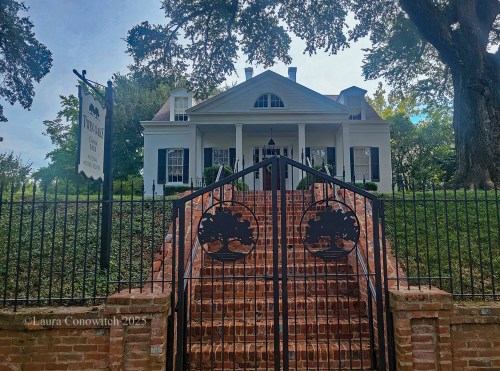
Twin Oaks, Natchez, Mississippi

Belvidere Cottage was built circa 1837, shortly after Samuel and Robert Patterson acquired the land. In 1847, it was acquired by John Coulson, a merchant. In 1868, John W. Henderson purchased Belvidere.

The house was relocated northwards in 1927 to make way for the Margaret Martin Junior High School.
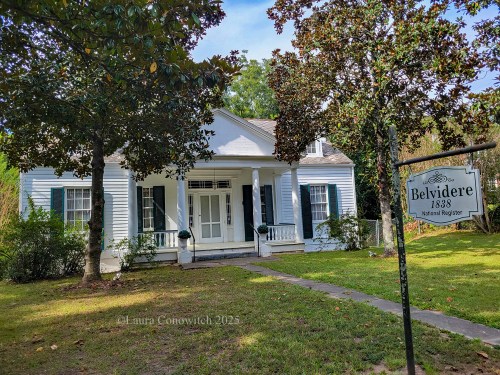
Belvidere, Natchez, Mississippi

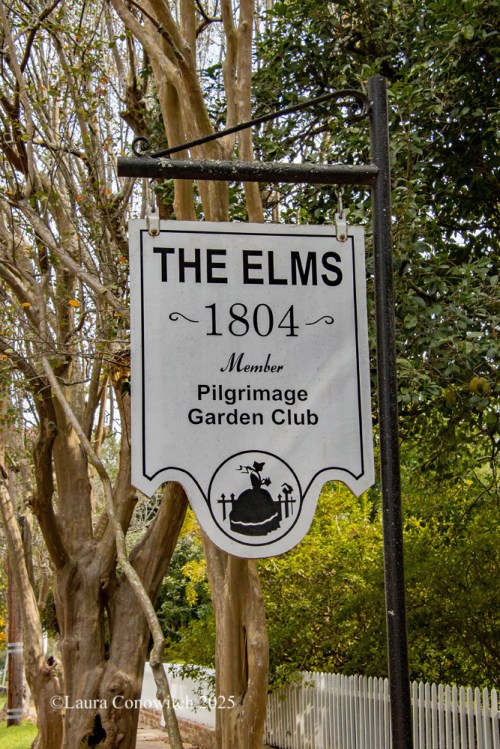
The Elms, Natchez, Mississippi

If The Elms hasn’t sold since the Hubster and I walked this corner of Natchez, then you still have a chance to buy this fantastic and beautiful mansion!

John Henderson (1755-1842), who began construction of The Elms in 1804, was a prominent Natchez merchant, auctioneer, and lawyer. The Elms changed hands many times over the years, and each owner added his own touch, resulting in a house that defies any useful stylistic label.
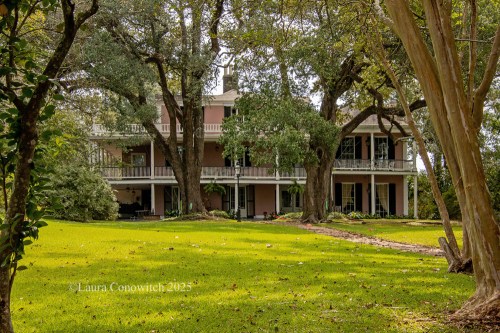
The Elms, Natchez, Mississippi

The Pillars was originally owned by Mr. & Mrs. Missouri Lawrence and built in an Italianate style. This is a pet friendly bed and breakfast for those of you who travel with furry family!
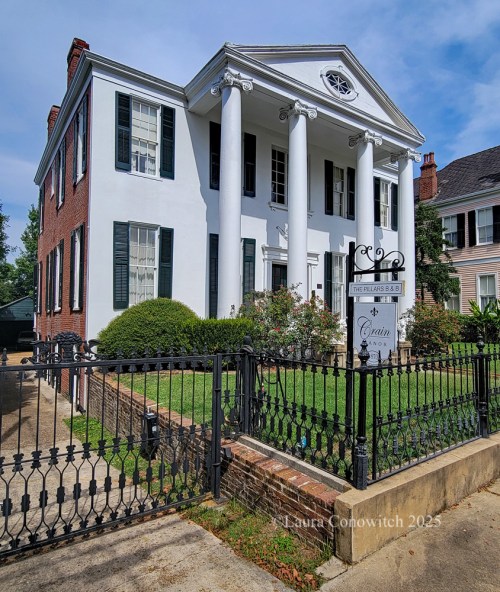
The Pillars-Crain Manor, Natchez, Mississippi

The Peter Crist House, in the Natchez On-Top-of-the-Hill Historic District, was placed on the National Register on 17 September 1979.
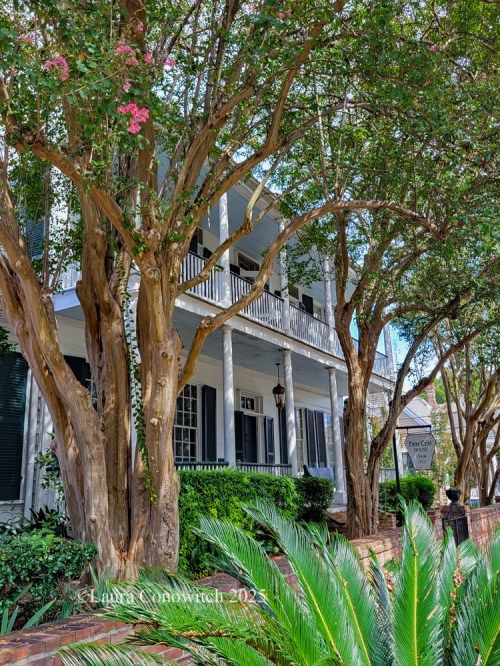
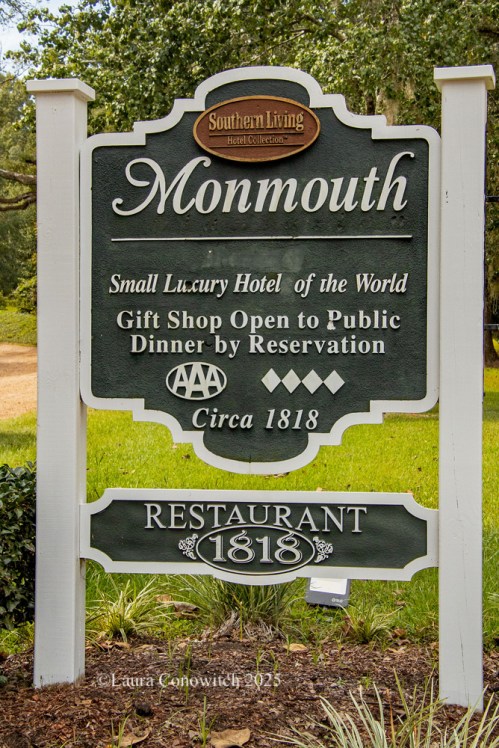
Peter Crist House, Natchez, Mississippi

Monmouth Historic Inn , Natchez, Mississippi

Monmouth Historic Inn was built by John Hankinson, a postmaster, lawyer and steamboat entrepreneur, during the depression that followed the War of 1812, and named after his home, Monmouth County, New Jersey. John A. Quitman, a Natchez attorney, purchased the home in 1826.
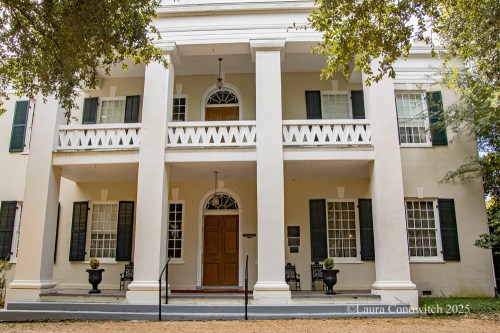
Monmouth Historic Inn , Natchez, Mississippi

Members of the 12th and 14th Wisconsin and 28th Illinois Infantry camped on the lawn of Monmouth, the former home of General John Quitman, once governor of the State of Mississippi and a Mexican war hero, who had died in 1858. Quitman’s daughters, who had married Confederate officers, continued to reside there during the Federal occupation.
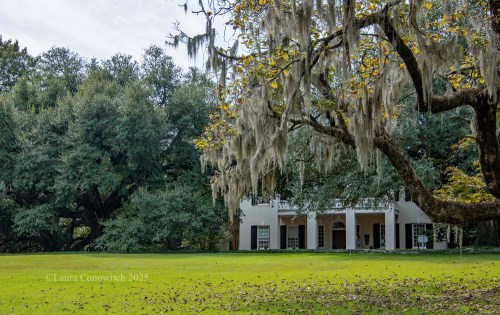
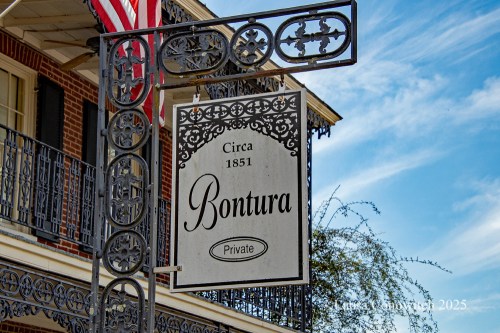
Monmouth Historic Inn , Natchez, Mississippi

Bontura House, Natchez, Mississippi

Bontura House, also known as Smith-Bontura-Evans-House, was built by Robert D. Smith, a free African American who, prohibited by law to operate a grocery in Natchez, went into the livery business and soon became the city’s most successful carriage and dray operator.

Smith purchased the freedom of his wife and children when living in New Orleans and then moved the family to Natchez.
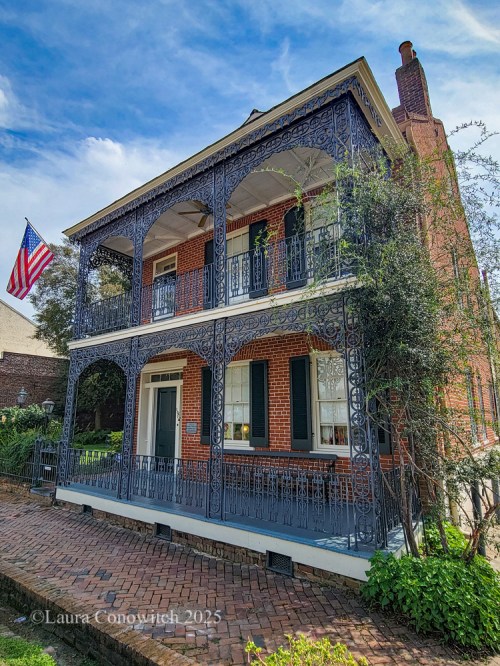
Bontura House, Natchez, Mississippi

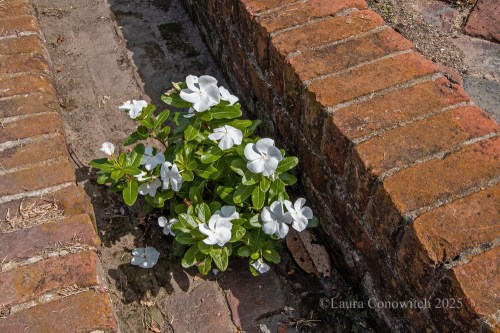
Vinca, Bontura House, Natchez, Mississippi

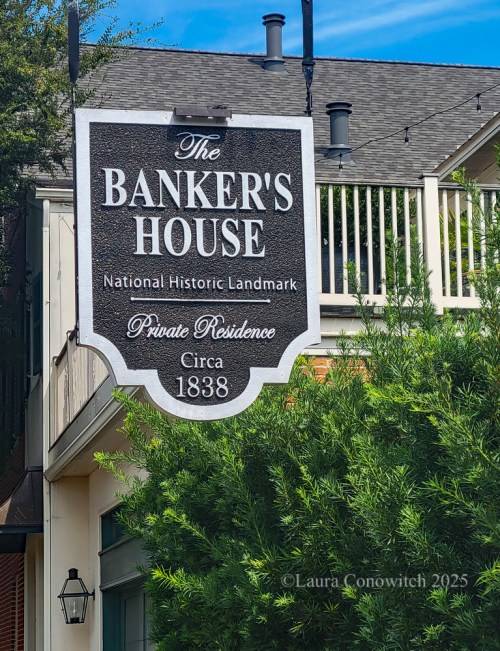
The Banker's House, Natchez, Mississippi

The Banker’s House is a grand architectural rarity, combining a commercial bank and a neighborhood residence in the same structure.

In 1835-1838, The building was constructed by Levin Marshall, the bank’s president, in the Greek Revival style. The home and the bank were designed to share the same footprint to better secure the financial institution.
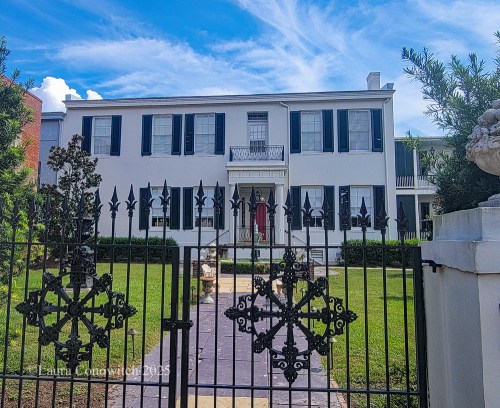
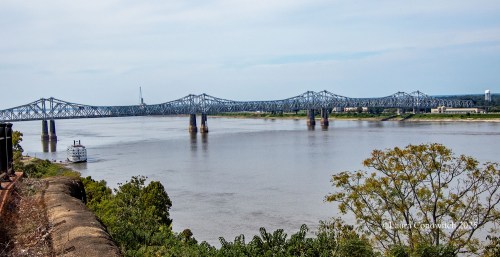
The Banker's House, Natchez, Mississippi

Mississippi River, Natchez, Mississippi

Taking in the lovely view of the mighty Mississippi River as the Hubster and I walk along the bluff.
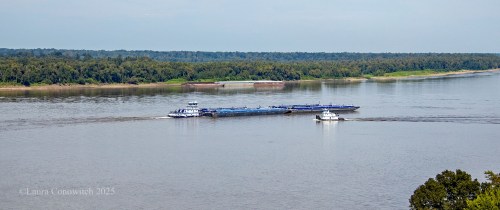
Mississippi River, Natchez, Mississippi

And where did we eat lunch?

Here, at the Biscuits & Blues Restaurant. The staff was very helpful and nice.

We were here on a Sunday for lunch, but we hear that it is a great place for dinner, live music, and fun times spent with friends. Biscuits and Blues has been voted America’s #1 blues nightclub by the Memphis Blues Foundation, the W.C. Handy Organization, and The San Francisco Blues Society.
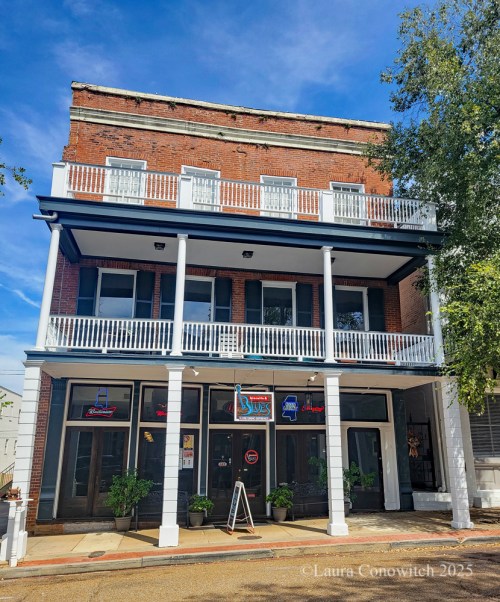
Biscuits & Blues Restaurant, Natchez, Mississippi

The Hubster and I had never tasted crawfish before (I know…hard to believe), let alone any real southern food before this trip.

So we tried crawfish etouffee. It was a bit spicy for me, but I ate it all…it was tasty.
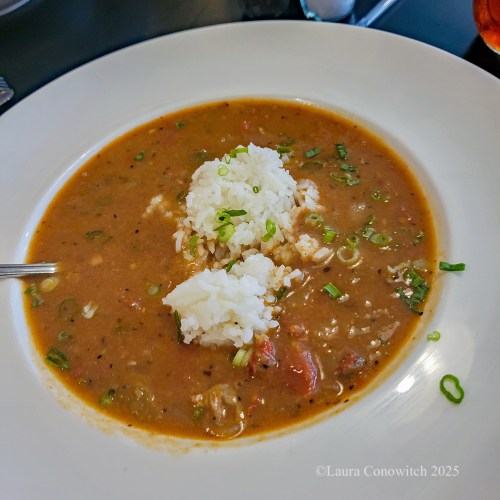
Crawfish Etouffee, Biscuits & Blues Restaurant, Natchez, Mississippi

We also tried the crawfish and mushroom beignet. This was so delicious! I am missing it already!

Crawfish & Mushroom Beignet, Biscuits & Blues Restaurant, Natchez, Mississippi

See the world around you!

More Travel Posts:
Cross Country Vacation Sept./Oct. 2025-Post 18

Grand Village of the Natchez Indians, Mississippi

After staying in a hotel in Baton Rouge, as opposed to car camping, we headed towards Natchez, Mississippi.

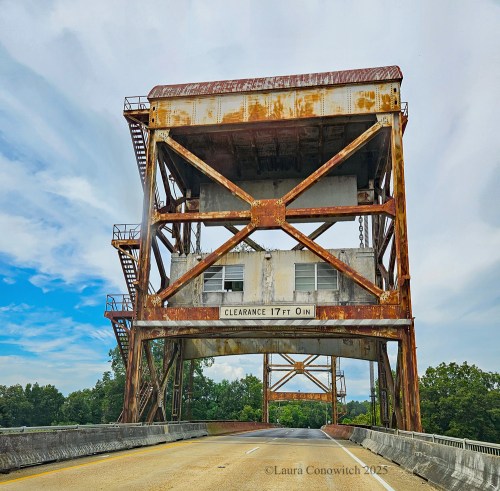
We passed under the Tensas River Bridge, Louisiana, a vertical lift drawbridge built in 1971. It is no longer in operation for river traffic but, obviously, still used by vehicles.

I thought it was cool!

Tensas River Bridge, Louisiana

*Clicking on a photo will give you a closer look!

We didn’t stop to look around the bridge area, but we did make an unplanned stop when we saw a sign for the Grand Village of the Natchez Indians.

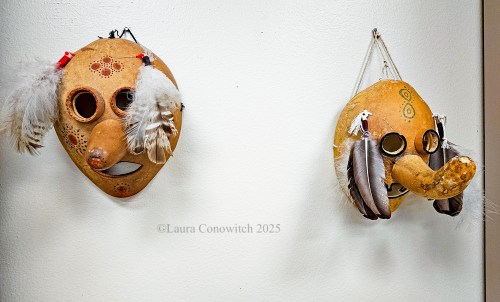
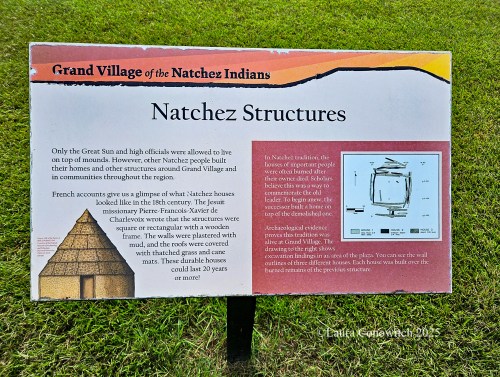
The Grand Village is a 128-acre site featuring three prehistoric Native American mounds, a reconstructed Natchez Indian house, a museum with artifacts and a film to see, a gift shop, and a nature trail. There is an annual Natchez Powwow, featuring traditional Native American singing and dancing, foods, crafts and more. Admission is free.

Grand Village of the Natchez Indians, Mississippi

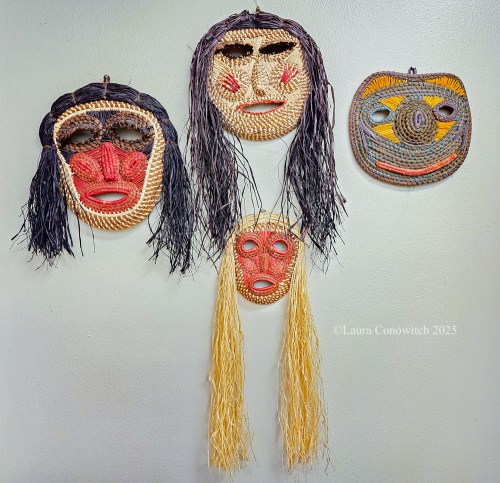
The Natchez Indians were successful farmers, growing corn, beans, and squash. They also hunted, fished, gathered wild plant foods, made baskets and pottery.

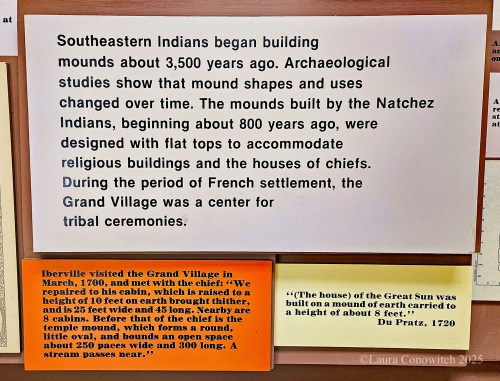
The Natchez Indians and their ancestors inhabited what is now southwest Mississippi ca. AD 700-1730. According to historical and archaeological evidence, the Grand Village was their main ceremonial center between 1682 and 1730. French explorers, priests, and journalists described the ceremonial mounds built by the Natchez on the banks of St. Catherine Creek. Later archaeological investigations produced additional evidence that the site was the place that the French called “the Grand Village of the Natchez.”

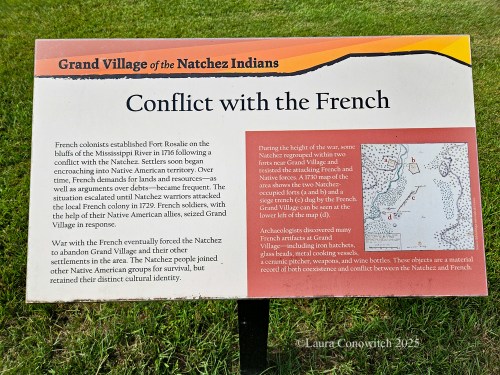
French settlers began to explore the region and establish settlements that gradually encroached on Natchez territory. Though relations were peaceful at first, the French colonists strained the resources the Natchez relied on for survival. Several episodes of violence in 1716 and 1723 created tension, although the Natchez made land concessions to the French. In 1729, a pro-English element within the nation led the Natchez to attack the French colonial plantations and military garrison at Fort Rosalie.

In 1731, after several wars with the French, the Natchez were defeated. Most of the captured survivors were shipped to Saint-Domingue and sold into slavery; others took refuge with other tribes, such as the Muskogean Chickasaw and Creek, and the Iroquoian-speaking Cherokee.

Grand Village of the Natchez Indians, Mississippi

Grand Village of the Natchez Indians, Mississippi

Grand Village of the Natchez Indians, Mississippi

Grand Village of the Natchez Indians, Mississippi

Grand Village of the Natchez Indians, Mississippi

Grand Village of the Natchez Indians, Mississippi

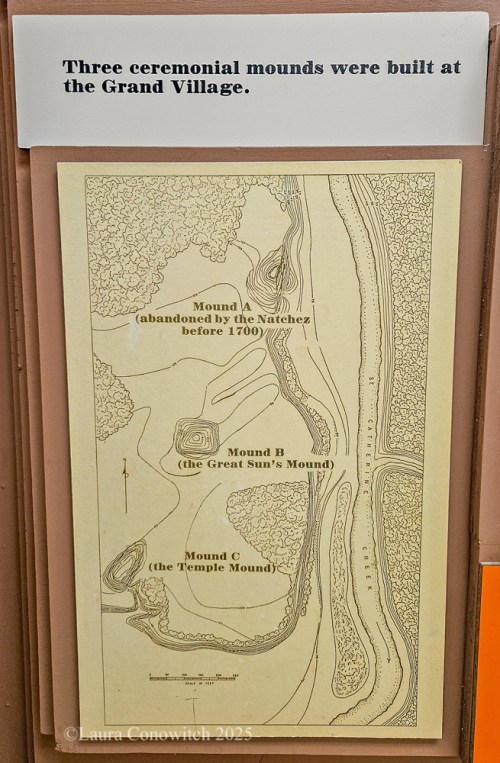
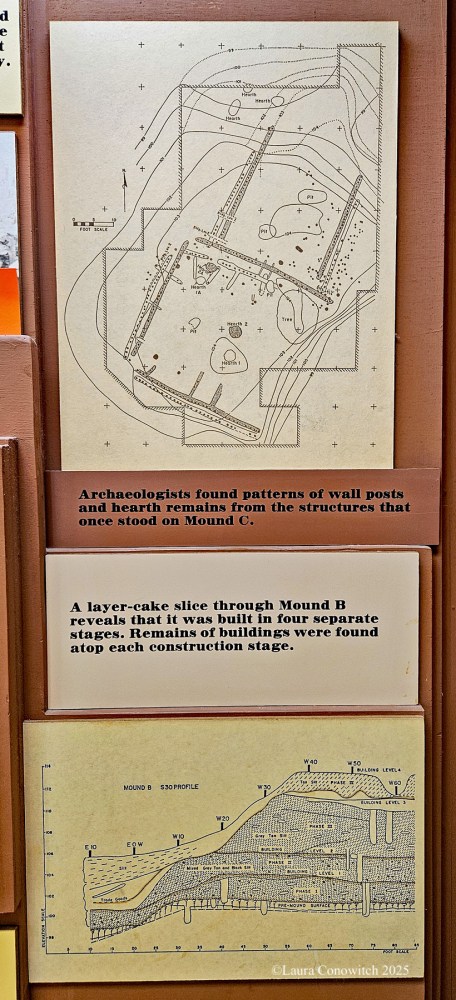
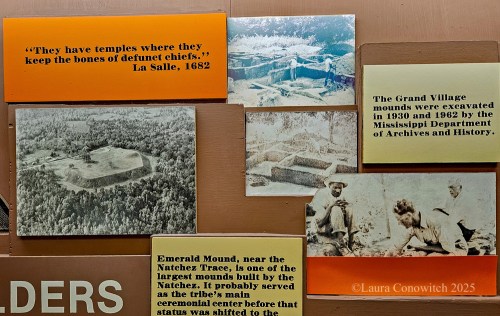
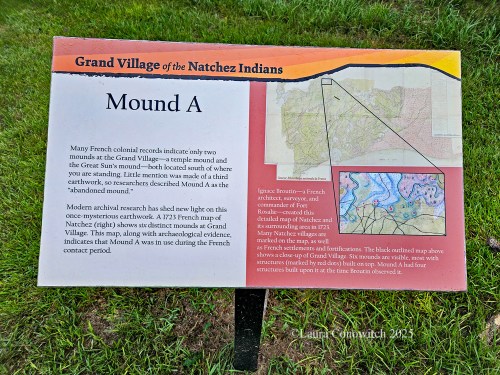
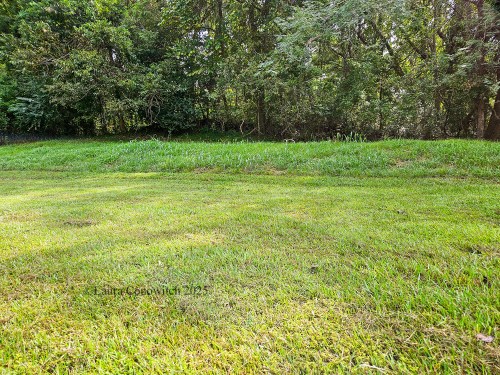
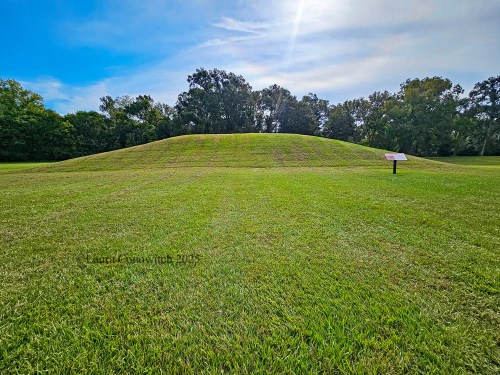
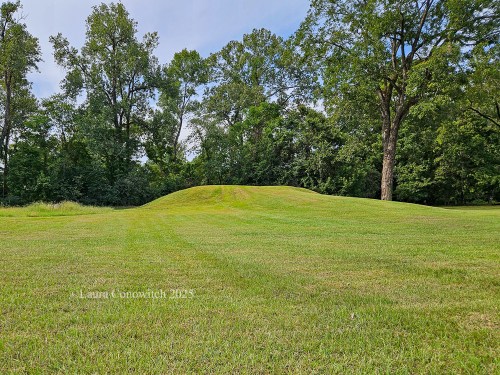
Mound A, or the Abandoned Mound, has been only partially excavated. Research indicates that as many as four structures were on top of it in the 1700s. After three major archaeological excavations at the Grand Village by the Mississippi Department of Archives and History, no further digging investigations are planned for the site. The unexcavated areas of the site will be preserved intact, representing a sort of “time capsule” from the Natchez Indians’ past.

Grand Village of the Natchez Indians, Mississippi

Grand Village of the Natchez Indians, Mississippi


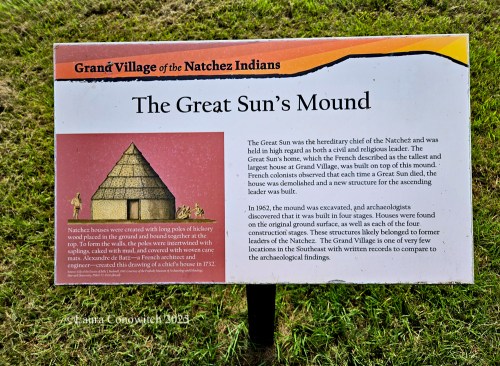
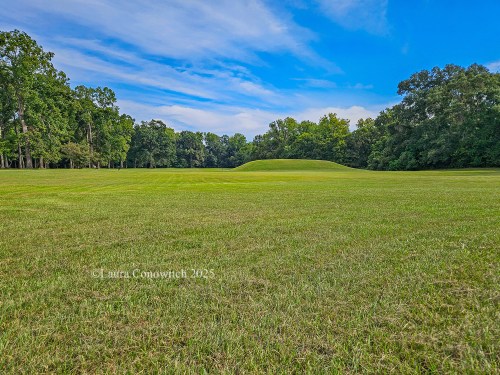
Two of the mounds, the Great Sun’s Mound, and the Temple Mound, have been excavated and rebuilt to their original sizes and shapes.

The Great Sun’s home, described by the French as the tallest and largest house at Grand Village, was on top of this mound. Each time a Great Sun died, the house was destroyed and a new house built for the new Great Sun.

Grand Village of the Natchez Indians, Mississippi

Grand Village of the Natchez Indians, Mississippi

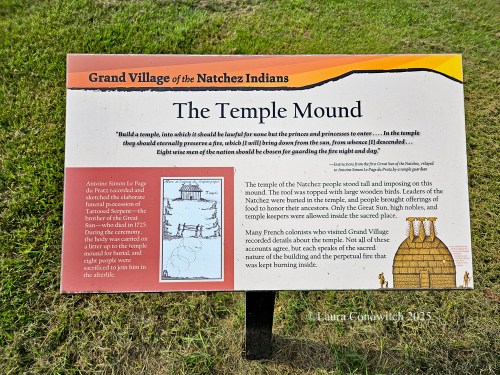
A religious structure once stood atop the Temple Mound and housed bones of previous Suns. A sacred perpetual fire was kept in the Temple’s inner sanctum, symbolic of the sun, from which the royal family had descended.

The Natchez performed ritual human sacrifice upon the death of a Sun. When a male Sun died, his wives were expected to accompany him by performing ritual suicide. Great honor was associated with such sacrifice, and sometimes many Natchez chose to follow a Sun into death. For example, at the death of the Tattooed Serpent in 1725, two of his wives, one of his sisters (nicknamed La Glorieuse by the French), his first warrior, his doctor, his head servant and the servant’s wife, his nurse, and a craftsman of war clubs, all chose to die with him.

Mothers sometimes sacrificed infants in such ceremonies, an act which conferred honor and special status to the mother. Relatives of adults who chose ritual suicide were likewise honored and rose in status. The practice of ritual suicide and infanticide upon the death of a chief existed among other Native Americans living along the lower Mississippi River, such as the Taensa.

Grand Village of the Natchez Indians, Mississippi

Grand Village of the Natchez Indians, Mississippi

Grand Village of the Natchez Indians, Mississippi

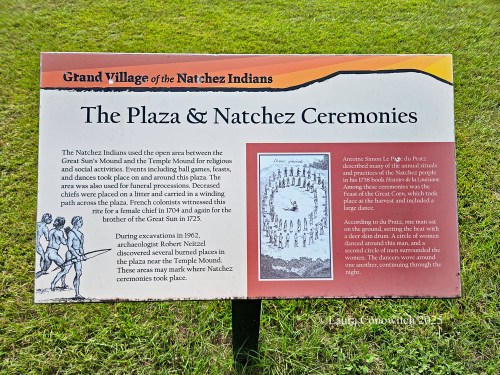
The open area, or plaza, between the mounds was used for religious, social, and funeral activities.

Grand Village of the Natchez Indians, Mississippi

Grand Village of the Natchez Indians, Mississippi

See the world around you!

More Travel Posts: