
Bentonville Battlefield State Historic Site, Four Oaks, North Carolina
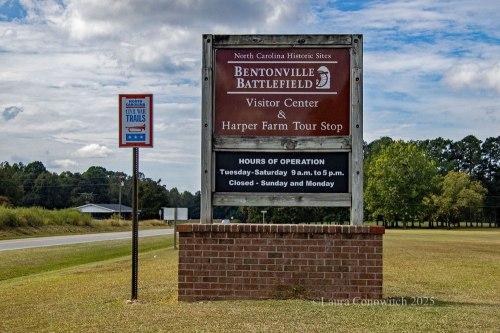
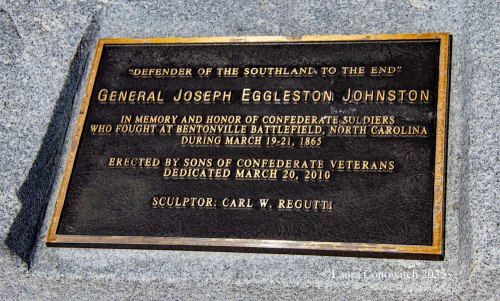
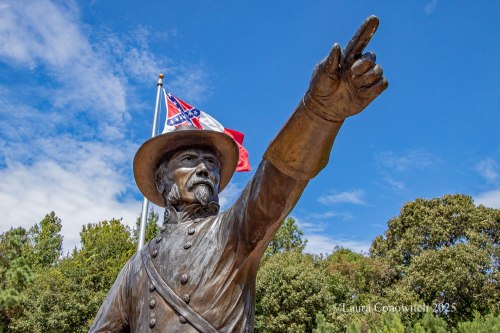
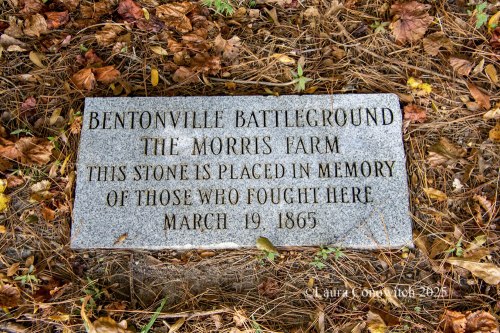
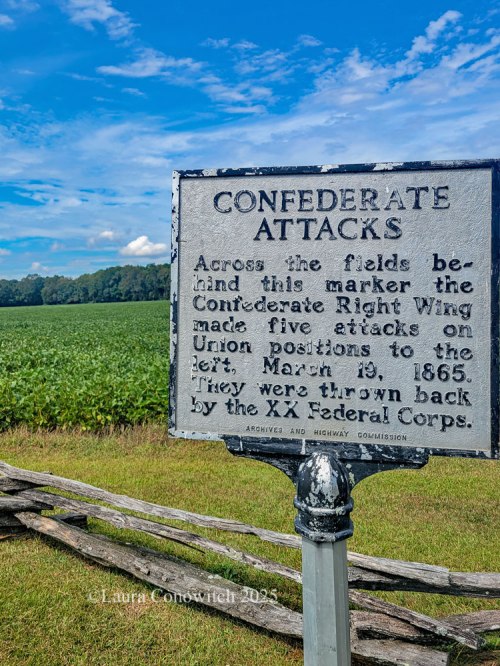
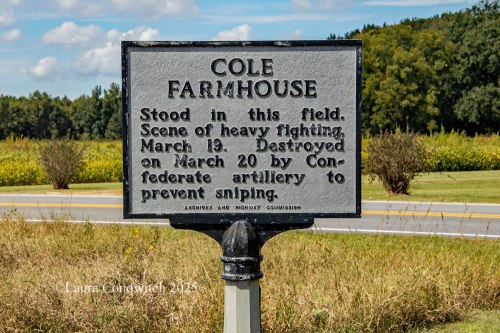
“The Battle of Bentonville, fought March 19-21, 1865, was the last full-scale action of the Civil War in which a Confederate army [led by General Joseph E. Johnston] was able to mount a tactical offensive. This major battle, the largest ever fought in North Carolina, was the only significant attempt to defeat the large Union army of General William T. Sherman during its march through the Carolinas in the spring of 1865.”
The result was a Union victory with an estimate of Union 1,527 casualties and 2,606 Confederate casualties.
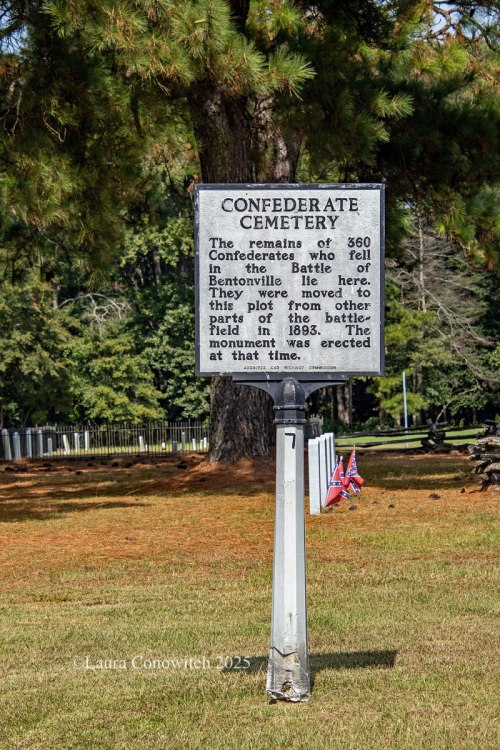
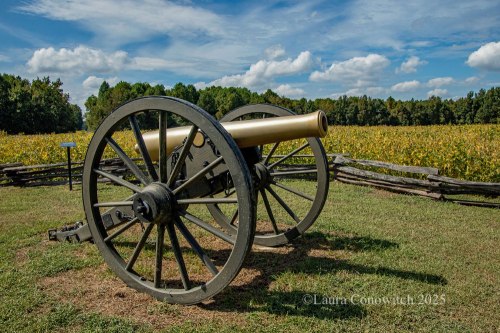
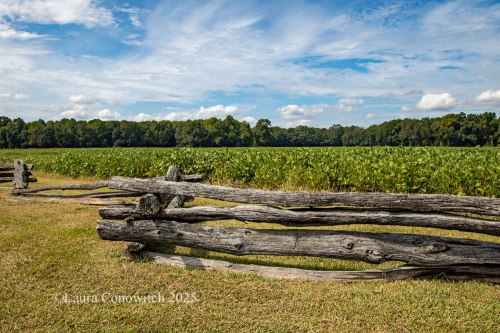
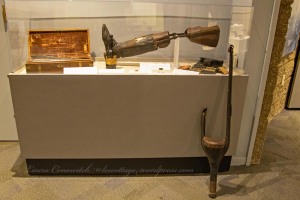
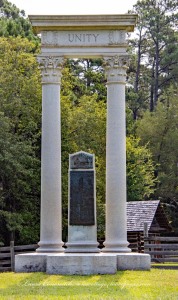
“Visitors to the battlefield can tour a restored Harper House, used as the field hospital for the Union’s Fourteenth Army Corps, and includes a reconstructed kitchen and enslaved people’s quarters. Exhibits at the park’s visitor center focus on the battle, and include interactive maps, artifacts and displays about soldiers and commanders from both armies. There is also a 15-minute audiovisual program about the battle. Outdoor exhibits in the park include the Federal XX Corps reserve trenches, the Harper family cemetery, a Confederate cemetery, several monuments, and a 10-mile driving tour with 8 tour stops. The site also features nearly 5 miles of walking trails along original trenches built during the battle.”
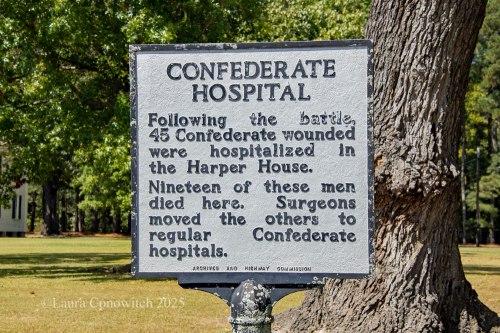
*Clicking on a photo will give you a closer look!
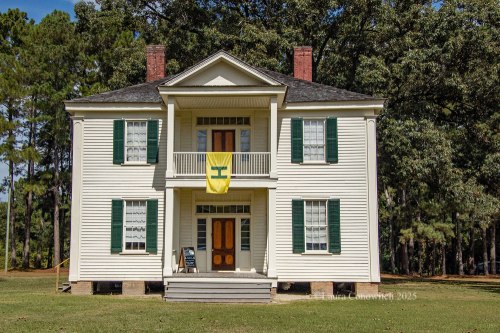
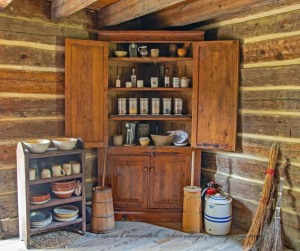
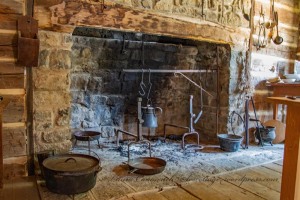
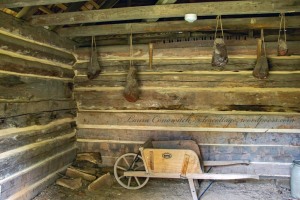
The separate kitchen:
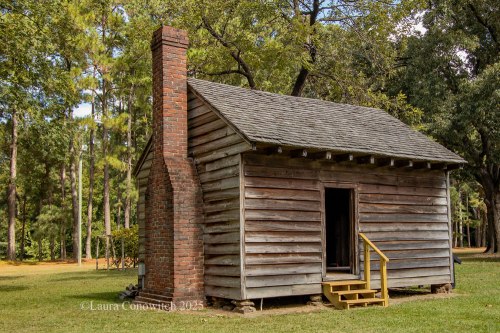
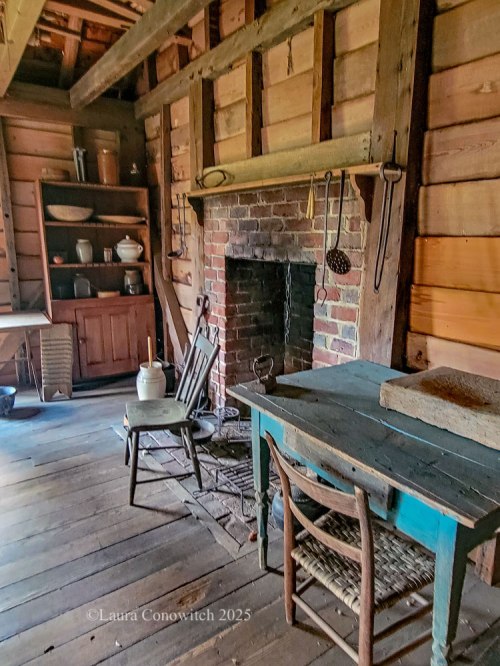
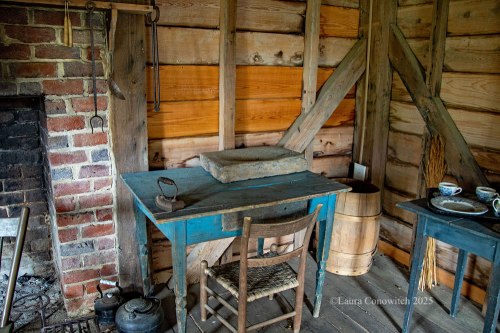


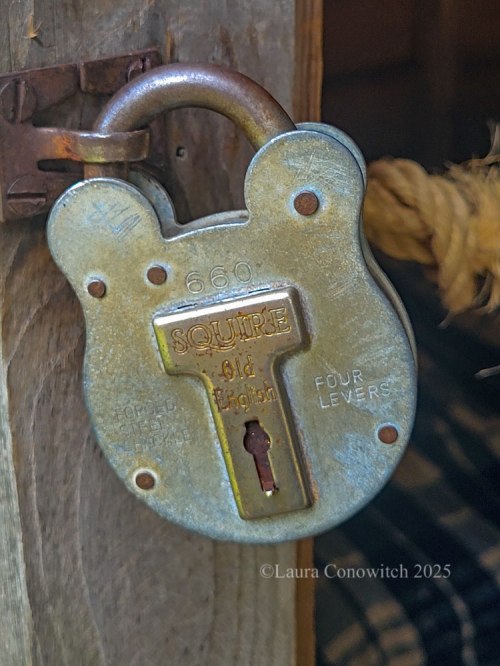
Yes, there is a lock on the outside of the door to the slave’s living space.
There are many helpful signs of all kinds to keep you oriented.




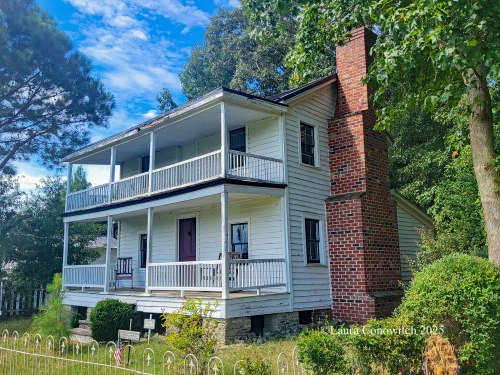
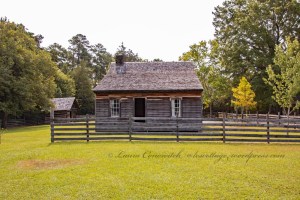
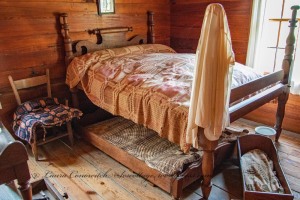
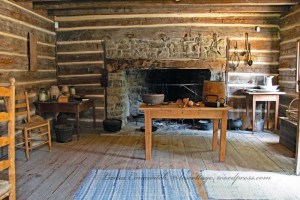
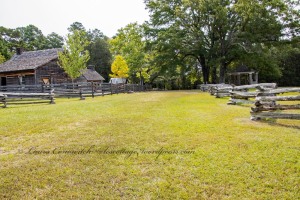
Levi Phillip Creech’s original family home. It was moved and restored and is now adjacent to the Bentonville Battlefield, and owned by Mr. Larry Laboda. Creech was a private in Company C, 50th North Carolina Infantry, Confederate States Army.

Bentonville Battlefield State Historic Site


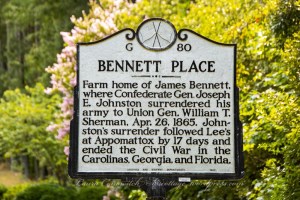
I was glad to have visited Bentonville (I only wish I had more time to explore), since it put together more pieces of American history for me. On a previous cross-country road trip, the Hubster and I visited Bennett Place where General Joseph Johnston surrendered his army to General William Sherman on April 26, 1865.
After the war, Joseph Johnston and William Sherman became friends. Johnson died of pneumonia in 1891, which was contracted at Sherman’s funeral for which he was a pallbearer.
See the world around you!
More Travel Posts:




 LC's Cottage