
I have been to the Outer Banks before, but this was the Hubster’s first visit here.
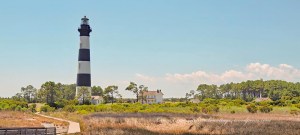
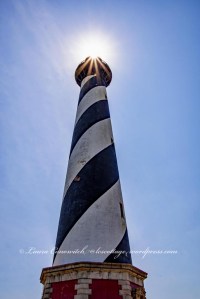
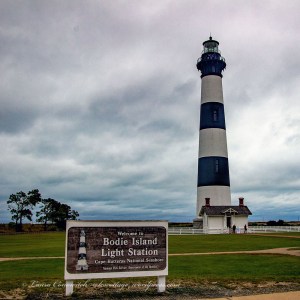
We went to the Bodie Light Station.
*Clicking on a photo will give you a closer look!
According to a local resident, during the previous ten years or so, more than forty-one vessels of various sizes had wrecked within six miles of Bodie Island, so in 1838, Congress appropriated $5,000 to build a lighthouse. It was finished in 1847.

It did not last and replacements have been built since. You can read the history here.

We also visited the Cape Hatteras Light Station.

Built in 1870, the Cape Hatteras Lighthouse protects one of the most hazardous sections of the Atlantic Coast.
Due to threatening beach erosion, the Bureau of Lighthouses decommissioned the Cape Hatteras Lighthouse in 1935.

In 1999, after years of study and debate, the Cape Hatteras Light Station was moved to its present location. The lighthouse was moved 2,900 feet in 23 days and now lies 1,500 feet from the seashore, its original distance from the sea. The Double Keepers’ Quarters, the Principal Keeper’s Quarters, the dwelling cisterns, and the oil house were all relocated with the lighthouse.
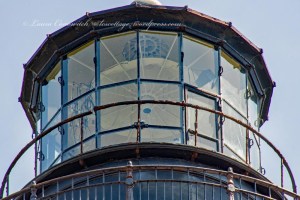
The National Park Service currently maintains the lighthouse and the keepers’ quarters. The U.S. Coast Guard operates and maintains the automated light.

You can read about this lighthouse here.
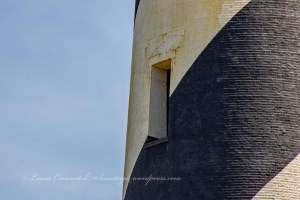
This lighthouse is under restoration.
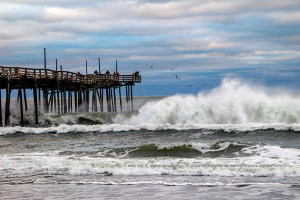
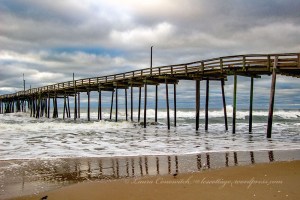
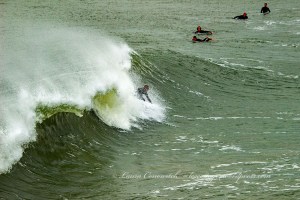
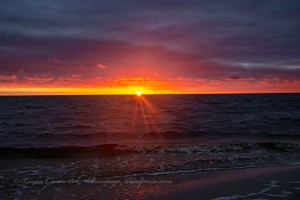
After visiting the lighthouses, we headed to the beach.
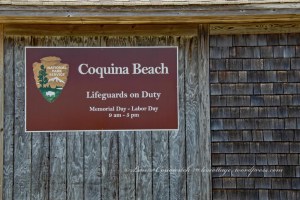
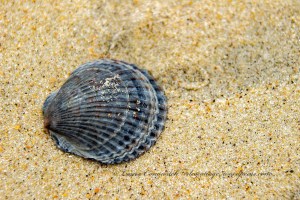
Coquina Beach was named after the colorful coquina clams that are commonly spotted along the ocean wash of the Outer Banks, and can appear in abundance in the warm spring and summer months.

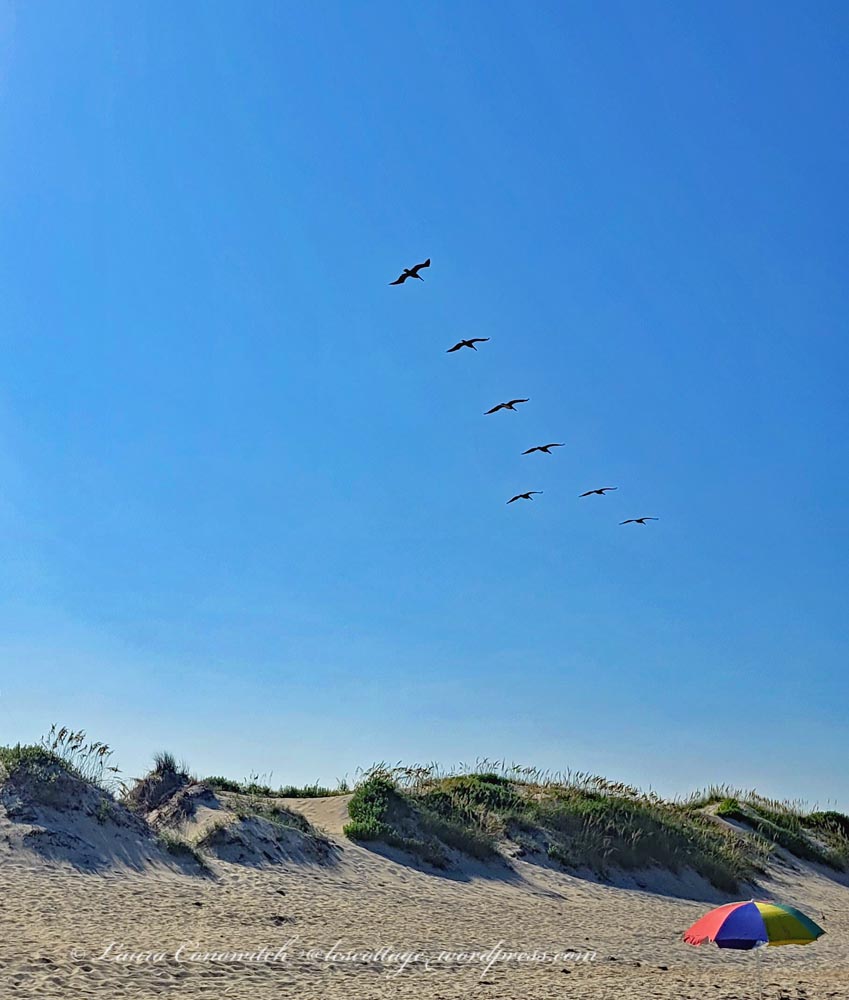
The beach has a local claim to fame as the final resting place of the shipwreck Laura Barnes, a four-masted schooner from Maine that was driven onshore in June of 1921. The entire crew was rescued by the Bodie Island Lifesaving Station personnel.


See the world around you!













 LC's Cottage