Tag Archives: bison

Cross Country Vacation Sept./Oct. 2025-Post 20

Boot Hill Museum, Dodge City, Kansas-Part 1

The Hubster and I spent all day at Boot Hill Museum and took hundreds of photos. It has been a big job sorting through said hundreds of photos.

Big!

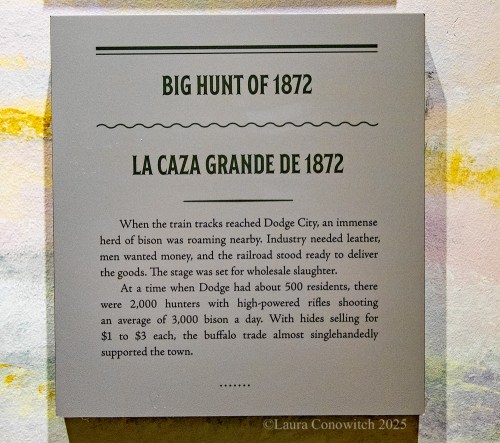
Anyway, Dodge City is rich in history and the museum site reflects that. It is very thorough and, if you are a sign reader (I am), you can learn a lot of human interest stories and western history from stage coach to rail travel and buffalo hunting (annihilation) to cattle drives and a lawless town to a respectable city.

The museum is open 362 days a year, but plan your trip during the summer months if you want historical interpreters, exciting gunfights, and other re-enactments. The Hubster and I visited in the off-season so we experienced none of that.

There is a lot to explore here!
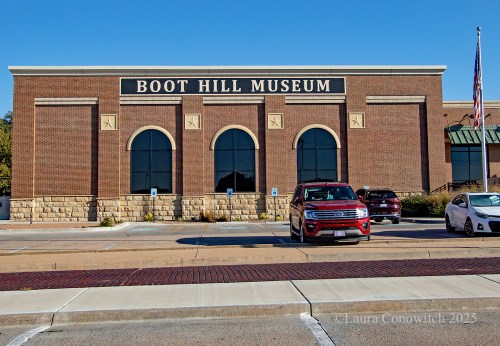
Boot Hill Museum, Dodge City, Kansas

*Clicking on a photo will give you a closer look!
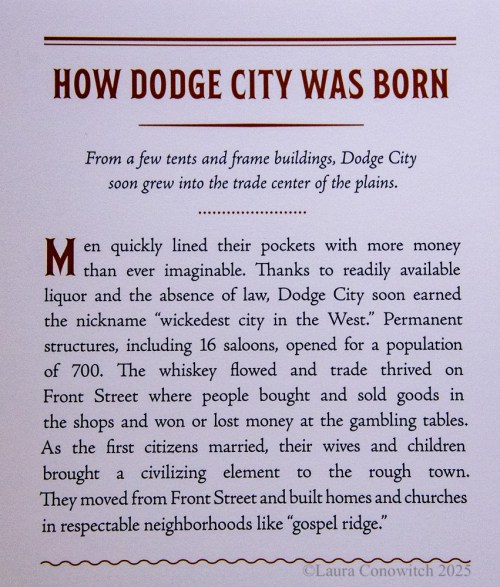
Boot Hill Museum, Dodge City, Kansas

Boot Hill Museum, Dodge City, Kansas

Boot Hill Museum, Dodge City, Kansas

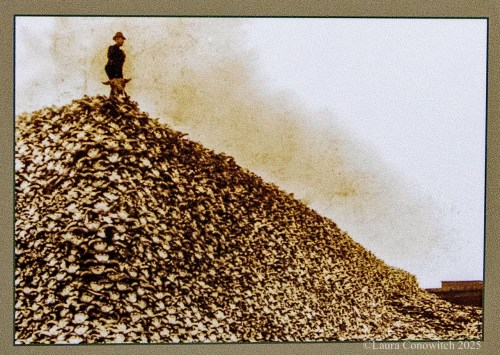
Bone pickers earned $4 to $8 a ton at a time when a laborer might earn $9 a week. It was easier than hunting buffalo, and it was something homesteaders could do to make extra money. Piles of skeletons 15 feet high stretched for miles along the tracks outside of town. Some estimate that 8,000,000 pounds of bones were shipped out of Dodge City by 1883.

Boot Hill Museum, Dodge City, Kansas

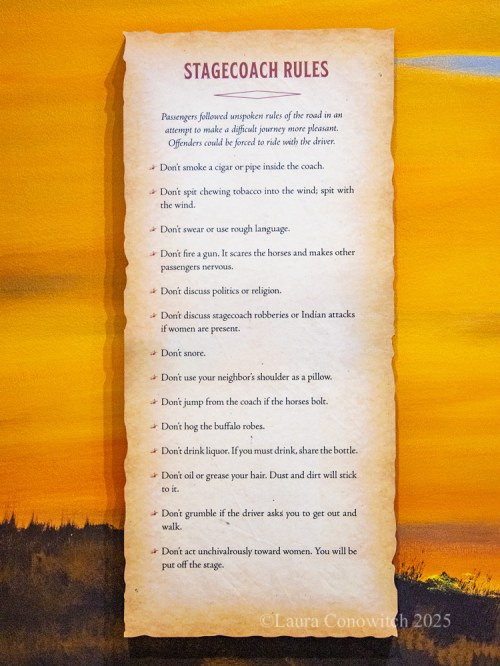
Stagecoach traveling was dirty, uncomfortable, and hazardous, not only due to road and weather conditions, but due to robberies and Indian attacks as well.

Boot Hill Museum, Dodge City, Kansas

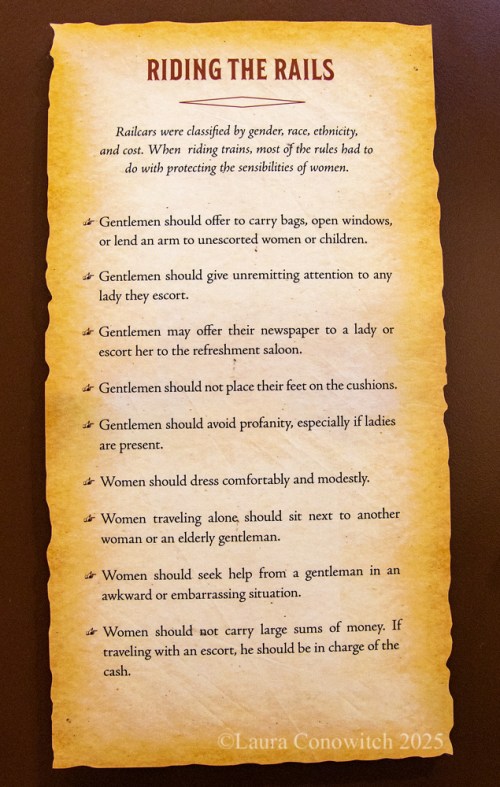
* Click on these photos and then click on the i in the lower right corner to view full size so that you can read these rules easier if you would like.

Boot Hill Museum, Dodge City, Kansas

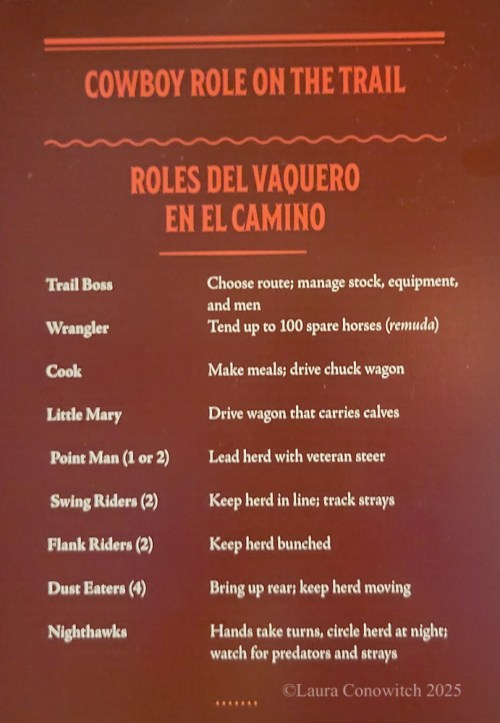
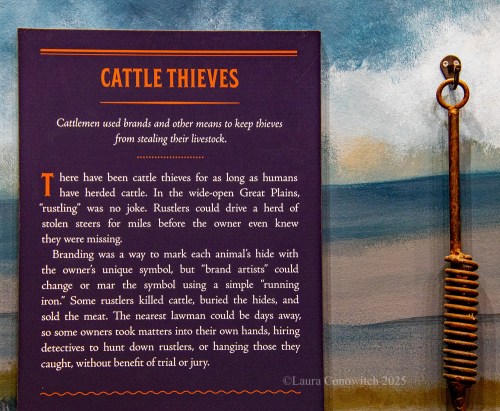
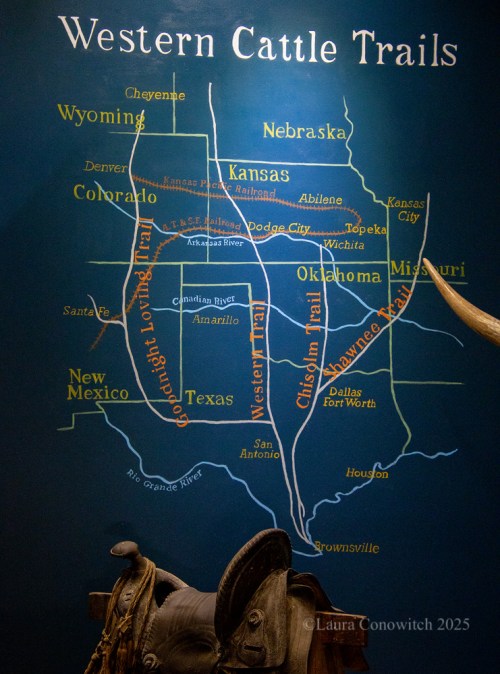
Cattle drives began in the spring, traveling 8 to 20 miles a day, for 2 to 5 months. A drive cost an owner $500 a month, but the cattle could not be driven in a hurry, or they would lose weight and sell for less at market.

The cowboys were poorly paid (about $25 to $40 a month) and worked around the clock, guarding against predators, rustlers, and Indians, as well as rounding up strays and stopping stampedes. They slept in their clothes on the ground and ate beans, biscuits, bacon, and drank coffee.

Boot Hill Museum, Dodge City, Kansas

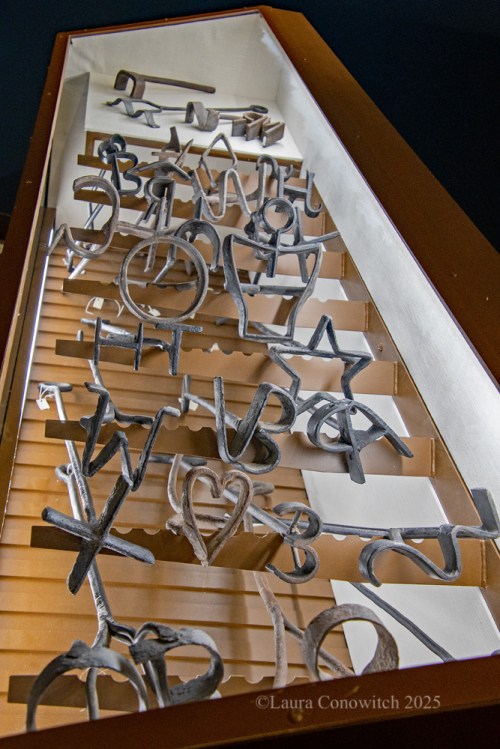
Branding irons:

Boot Hill Museum, Dodge City, Kansas

Boot Hill Museum, Dodge City, Kansas

Boot Hill Museum, Dodge City, Kansas

Boot Hill Museum, Dodge City, Kansas

Boot Hill Museum, Dodge City, Kansas

Boot Hill Museum, Dodge City, Kansas

Boot Hill Museum, Dodge City, Kansas

Boot Hill Museum, Dodge City, Kansas

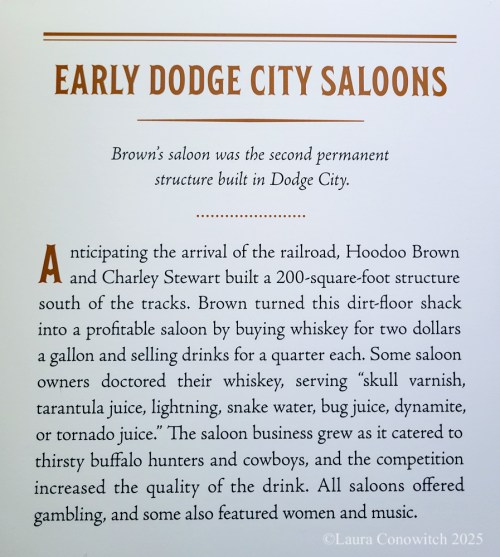
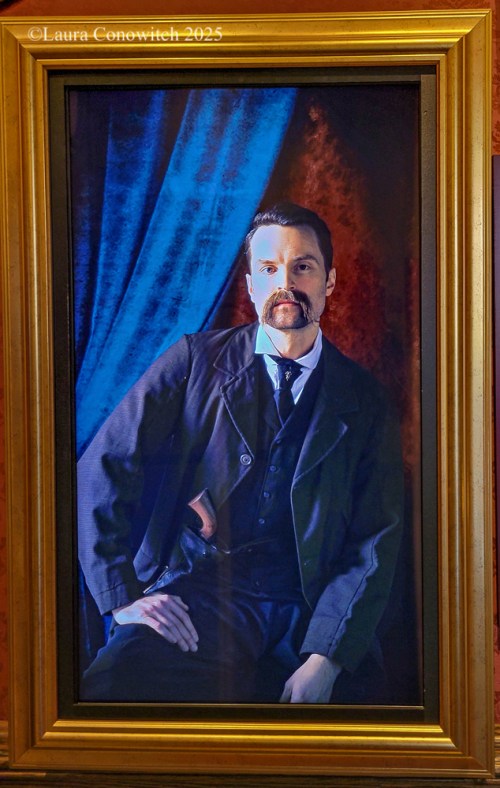
Saloon owner, Hoodoo Brown, also known as Hyman G. Neill, led the Dodge City Gang in Las Vegas, New Mexico, in 1879 and early 1880, a gang that participated in several stagecoach and train robberies and organized cattle rustling. It was said to have been responsible for multiple murders and lynchings.

Boot Hill Museum, Dodge City, Kansas

Boot Hill Museum, Dodge City, Kansas

Boot Hill Museum, Dodge City, Kansas

Boot Hill Museum, Dodge City, Kansas

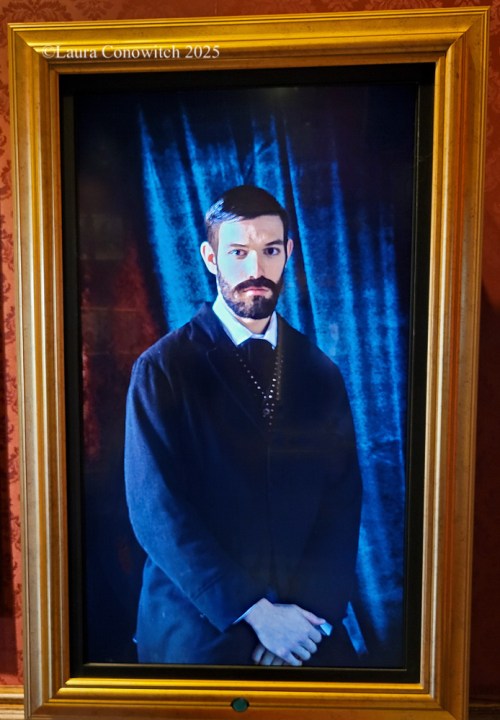
Alonzo B. Webster, a Civil War veteran, moved to Dodge City in 1872. He ran a dry goods store on First Street and owned the Stock Exchange Saloon and later the Palace Drug Store with Orlando “Brick” Bond.

In 1881, Webster won his first of four elections for mayor. He issued rules for lawmen, city police had to wear a badge, stay sober, and not leave town without permission. Webster knew how to use a gun and once faced down Bat Masterson.

He secured a waterworks and sewer system for Dodge.

Boot Hill Museum, Dodge City, Kansas

Wyatt Earp came to Dodge City in 1876. He served as deputy city marshal, and deputy sheriff with his brother Morgan and friend Bat Masterson, and assistant city marshal. Wyatt and Bat rode in the posse that chased down Dora Hand‘s killer.

Boot Hill Museum, Dodge City, Kansas

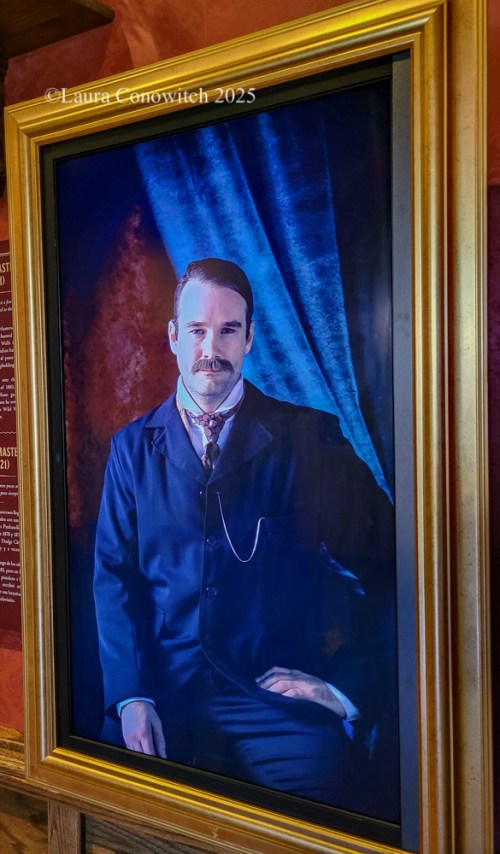
Lawman and gambler William “Bat” Masterson arrived in Kansas in 1872. He hunted buffalo with his brothers and fought at Adobe Walls in the Texas Panhandle during the famous 1874 Indian battle. Between 1876 and 1879, Bat served in several posts as a Dodge City lawman and deputy marshal. He was in and out of Dodge over the years, and returned during the “saloon war” of 1883.

Boot Hill Museum, Dodge City, Kansas

Chalkley “Chalk” Beeson moved to Dodge City in 1876. He was a cowboy, historian, and avid collector. He saw the value in remembering Dodge City through artifacts. Beeson was one of the early owners of the Long Branch Saloon and the Saratoga Saloon. He served as Ford County Sheriff from1892 to 1896, was a state legislator and ranched near Dodge City. Beeson was also the founder of Dodge City’s beloved Cowboy Band which performed at the inauguration of U.S. President Benjamin Harrison, in Washington, D.C. on March 4, 1889. He was well beloved, and the town shut down for his funeral.

Boot Hill Museum, Dodge City, Kansas

Boot Hill Museum, Dodge City, Kansas

Boot Hill Museum, Dodge City, Kansas

Boot Hill Museum, Dodge City, Kansas

See the world around you!

More Travel Posts:

Last Day of an Epic Road Trip

Our last day on the road took us through small parts of the Bighorn National Forest, the Gooseberry Badlands and a picnic lunch in Yellowstone National Park. It was a beautiful drive home!

Loaf Mountain Overlook on the Cloud Peak Skyway shows off the Cloud Peak Wilderness.

Bighorn National Forest

*Clicking on a photo will give you a closer look!
Bighorn National Forest

Tensleep Canyon offers unspoiled beauty while rock climbing, caving, hiking, or mountain biking, and our pursuit…the scenic drive.

Bighorn National Forest

Bighorn National Forest

Bighorn National Forest

Leigh Creek Vee has a broad ledge about 200 feet below the rim of the canyon and about 1,000 feet above the canyon floor with a stone monument topped with a cross. The monument was constructed in 1889 in the memory of a British Member of Parliament (member for South Warwickshire), the Honorable Gilbert H. C. Leigh, after whom the creek is named. In 1884, Leigh, a house guest of Moreton Frewen, lost his life hunting big horn sheep.

Bighorn National Forest

Sam Stringer, the courageous former Confederate teamster, had the mail contract for delivery of the mail from Buffalo to Powder River, Sussex, and Ten Sleep. In about 1892, he nearly lost his life delivering mail, but his powerful determination got the job done!

If you are at all interested in the taming of the west, then I encourage you to click on Sam Stringer’s name and read his story. He was a soldier, a teamster (including using his wagon to carry the dead from Fetterman’s Massacre), worked on railroad building, as well as a mail carrier.

Bighorn National Forest

Bighorn National Forest

Our scenic drive home brought us to the Gooseberry Badlands right after driving through the Bighorn National Park. So fun to see the landscape change so quickly!

Gooseberry Badlands Wyoming

Gooseberry Badlands Wyoming

There is a trail to hike here, but we opted out. Perhaps someday, we will pass by again and take the time to hike the trail.

Gooseberry Badlands Wyoming

Gooseberry Badlands Wyoming

Gooseberry Badlands Wyoming

I have shared about road trips to Yellowstone National Park here, and here. It is one of our favorite parks to visit!

Yellowstone National Park

Yellowstone National Park

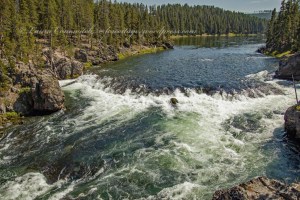
Today, however, since we were headed home, we only stopped for lunch at the Chittenden Memorial Bridge. It was first constructed in 1903 as a Melan arch bridge by park engineer Captain Hiram M. Chittenden of the US Army Corps of Engineers and spans the Yellowstone River.

In 1961, after a lot of public protest, the National Park Service tore down the original bridge and replaced it with a more modern, wider structure suitable for the type of vehicle traffic the park was experiencing. In an opening ceremony in 1963, the new bridge was christened the Chittenden Memorial Bridge.

Among his other achievements, Chittenden was a successful and prolific historical author. The Hiram M. Chittenden Locks in Seattle are named in his honor.

Yellowstone National Park

Yellowstone National Park

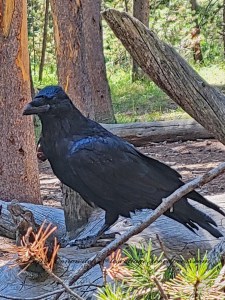
This large raven kept us company the entire time that we ate our picnic lunch.

Yellowstone National Park

Yellowstone National Park Sandhill Crane

Our road trip took us 6,738 miles from Washington State to North Carolina. We explored much, learned much, and had so much fun! Wherever you are, if you cannot afford international travel, or maybe that isn’t even a dream of yours, I know that you can find much to see and do in the area where you live!

Since this is my journal, I keep my posts under the tabs in the heading above so that I can find them again. If you ever want to revisit them, you can find them there, too.

See the world around you!

Badlands National Park

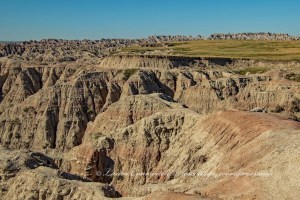
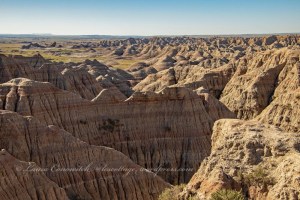
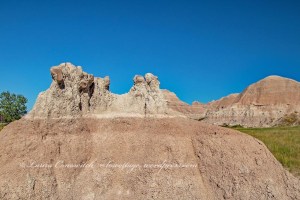
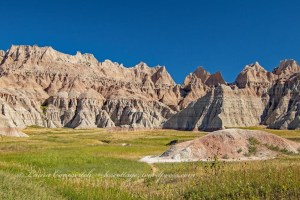
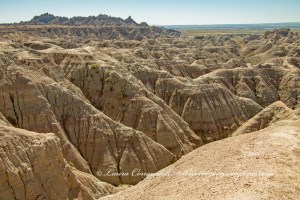
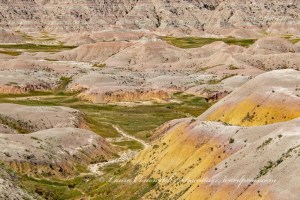
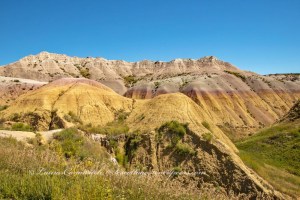
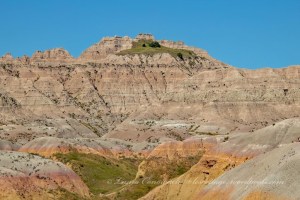
Badlands National Park in South Dakota consists of sharply eroded buttes, pinnacles, and spires blended with the largest, protected mixed grass prairie in the United States. You can learn about the geological formations (sandstones, siltstones, mudstones, claystones, limestones, volcanic ash, and shale) by visiting the U.S. Badlands National Park South Dakota site.

Temperatures can reach above 100 degrees in summer to below freezing in winter. It was too hot for me to hike any of the trails (I don’t do heat well…just ask the fam!) when the Hubster and I visited on our September road trip. Even so, we could enjoy the beauty from the scenic drive that we took. The scenic drive was enough since we were running short on vacation time by now.

Badlands National Park

*Clicking on a photo will give you a closer look!
Badlands National Park

Badlands National Park

Badlands National Park

Badlands National Park

Badlands National Park

Norbeck Pass

Badlands National Park

Badlands National Park

Badlands National Park

Badlands National Park

Badlands National Park

White River Valley Overlook

Badlands National Park

December 24, 1890, Minneconjue Chief Big Foot (aka Spotted Elk) lay waiting while his people cleared a pass down the Badlands Wall. Several hours of hard work with axes and spades made the disused trail passable. The band of 350 men, women, and children continued their flight from units of the United States Armies.

Big Foot was ill, close to death, and disillusioned by the broken promises of Whites and by the lack of unity among Indians. His agony would last only five days. On December 29th, he, nearly 200 of his people, and 30 soldiers, would die in the massacre at Wounded Knee, 65 miles south.

Badlands National Park

For a brief history of the Native American presence in the Badlands, click here.

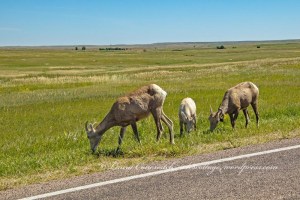
Badlands National Park - Bighorn Sheep

The Yellow Mounds get the mustardy color from a mineral called goethite.

Badlands National Park

Badlands National Park

Badlands National Park

Badlands National Park

Badlands National Park

Badlands National Park

Badlands National Park - Pronghorn Antelope

Badlands National Park - Prairie Dog

Badlands National Park - Prairie Dog

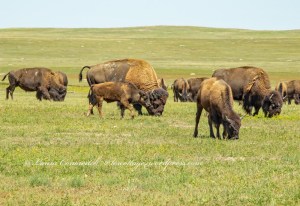
Badlands National Park - Bison

Badlands National Park - Bison

See the world around you!