Category Archives: Uncategorized

Little Bighorn Battlefield National Monument Park Part 2

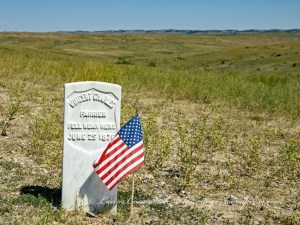
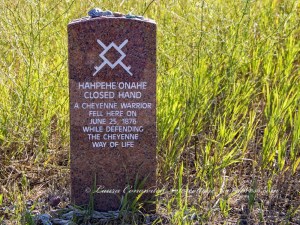
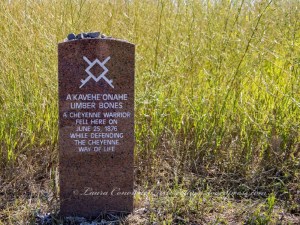
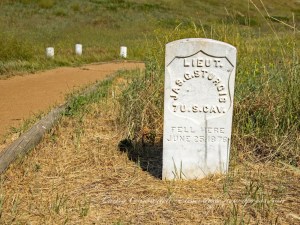
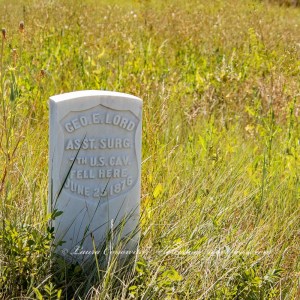
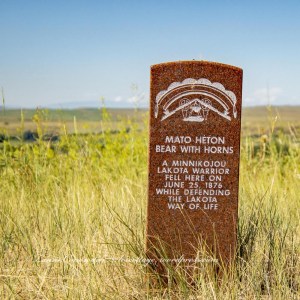
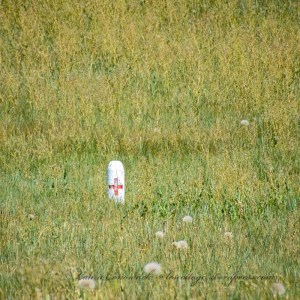
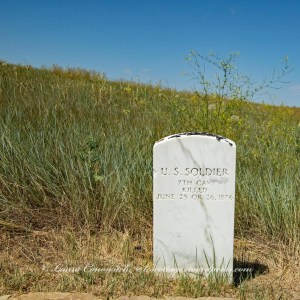
There are many memorial markers throughout the battlefield; red for the Indians and white for the civilians and soldiers. Trails lead to some of them, and others are isolated. Many represent an unknown person who had fallen in that spot.
Little Bighorn Battlefield National Monument Park

*Clicking on a photo will give you a closer look!
Little Bighorn Battlefield National Monument Park

It is heartbreaking to see these markers everywhere.
Little Bighorn Battlefield National Monument Park

In the following photo, you are near Last Stand Hill. As you look towards the tree line and the Little Bighorn River, you are astonished at a very large Indian encampment.

Little Bighorn Battlefield National Monument Park

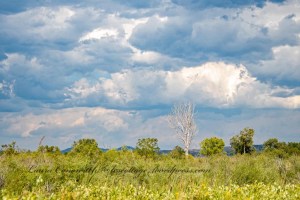
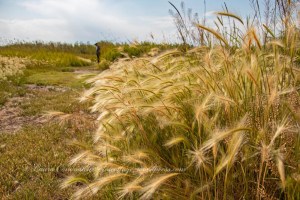
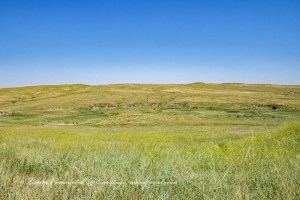
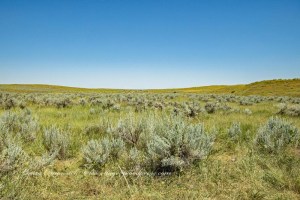
I am sharing photos of the terrain, so that you can get an idea of it. Remember that I said that we visited on July 28…not too distant from the anniversary date of June 25-26. It is summer and it is hot. I found myself overheating even with taking my time to walk and drinking plenty of water.
Little Bighorn Battlefield National Monument Park

I am imagining what it must have been like for the warriors and soldiers, and civilians. Can you picture being in full gear, crawling along a rattlesnake and cactus infected ground, and under the full heat of the sun, trying to avoid a bullet or a hatchet? How about the sounds of artillery and the screams of fear and rage? What about the horror of seeing the fallen all around you?

Terrifying.

They were in hell.

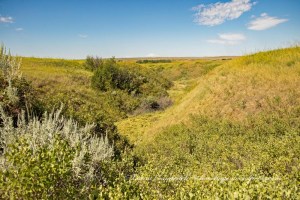
Deep Ravine (Crazy Horse Gully and Grey Horse Ravine) where approximately 40 soldiers were killed.
Little Bighorn Battlefield National Monument Park

Little Bighorn Battlefield National Monument Park

Little Bighorn Battlefield National Monument Park

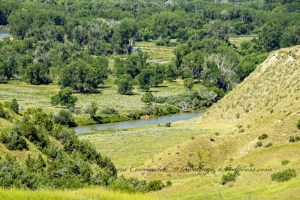
Perhaps as many as 600 warriors pursued Major Reno’s retreat across the river at this spot. Reno’s casualties are 40 men killed and 13 wounded.
Little Bighorn Battlefield National Monument Park

Reno Hill, also known as the Reno/Benteen Battlefield where the field hospital was. Soldiers volunteered to make the treacherous trek while under fire, to get water for the wounded.
Little Bighorn Battlefield National Monument Park

Little Bighorn Battlefield National Monument Park

Little Bighorn Battlefield National Monument Park

Little Bighorn Battlefield National Monument Park

Medicine Tail Coulee where Custer divided his command.
Little Bighorn Battlefield National Monument Park

Warriors pursued Custer’s retreat up Deep Coulee to the high ground.
Little Bighorn Battlefield National Monument Park

If you are interested in this period of American history, then you will find it worth your time to visit Little Bighorn Battlefield National Monument Park.
Little Bighorn Battlefield National Monument Park

See the world around you!

Little Bighorn Battlefield National Monument Park Part 1

On July 28th, the Hubster and I visited Little Bighorn Battlefield National Monument Park in Montana. There is much written about the battle that occurred here on June 25-26, 1876, so I won’t go into that here.

Much is unknown, and is still being researched and debated by archeologists, historians, and scholars.

Not all that fought and died here have been recovered. Many unrecovered and recovered remains are nameless.

I do know that there are no winners here. Many events that occurred in our past are not pleasant. The best that we can hope for is that we have learned from them.

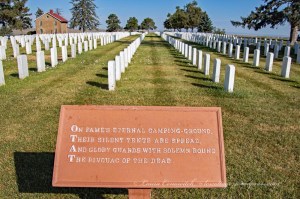
Custer National Cemetery is located here, where many soldiers who participated in various battles and wars over the years are buried.

Little Bighorn Battlefield National Monument Park

*Clicking on a photo will give you a closer look!

The park has done an excellent job of guiding you as you walk/drive the paths of this seemingly desolate and endless terrain of bluffs, coulees and ravines.

There are booklets, signboards, and rangers and audio tours to tell you where you are standing and what happened on that spot.

Little Bighorn Battlefield National Monument Park

For a quick overview, I’ll begin with the small town of Garryowen where the opening gunshots of the battle were fired only a few hundred yards from where Garryowen’s structures stand today.

(For the lyrics to Garryowen, the 7th Cavalry’s regimental song, click here and here.)

Little Bighorn Battlefield National Monument Park

The remains of an unknown soldier, under Major Reno’s or Captain Benteen’s command, was found 50 years after the battle. Following entombment with full military honors, a “Burying the Hatchet” ceremony was held with US government and Indian representatives.

Little Bighorn Battlefield National Monument Park

Little Bighorn Battlefield National Monument Park

Little Bighorn Battlefield National Monument Park

The simple map is a great way to get one’s bearings.

The photo below shows where the Indians were encamped. The trees are lining the Little Bighorn River. The bluffs beyond contain Last Stand Hill.

Little Bighorn Battlefield National Monument Park

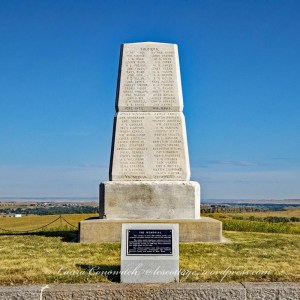
Driving back to the national cemetery, a short walk from the parking area takes one to Last Stand Hill. The 7th U.S. Cavalry Memorial is here, erected in 1881.

Little Bighorn Battlefield National Monument Park

Little Bighorn Battlefield National Monument Park

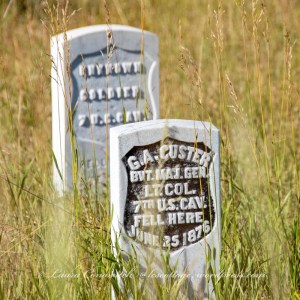
As well as memorial markers for those who fell last upon this hill.

Little Bighorn Battlefield National Monument Park

Little Bighorn Battlefield National Monument Park

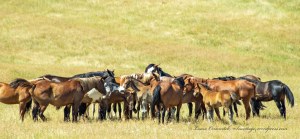
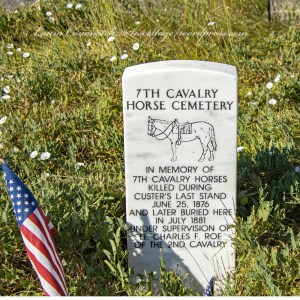
Nearby is the 7th Cavalry Horse Cemetery.

Little Bighorn Battlefield National Monument Park

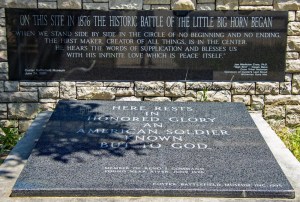
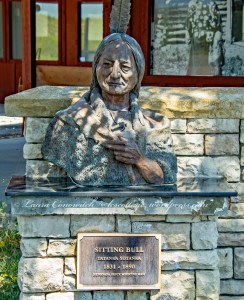
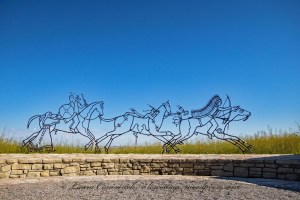
As well as the Indian Memorial, dedicated in 2003.

Little Bighorn Battlefield National Monument Park

Little Bighorn Battlefield National Monument Park

Little Bighorn Battlefield National Monument Park

See the world around you!

Missouri Headwaters State Park

I have been missing from blogland for about a month. The Hubster and I decided to live a little and take a road trip.

6738 miles worth of road trip according to our car’s odometer.

19 states not counting Washington (the place of origin).

We both love American history, and, since neither of us is a seasoned traveler, or an interstate truck driver, we decided to see as much of American history as we could in three weeks time.

I have been editing a bajillion photos, along with catching up on such things as yardwork and mail since coming home.

I still have a long way to go on photos, but I can share what I have with you.

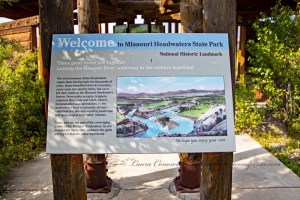
The first stop, unplanned because we wanted to be flexible on our route, is the Missouri Headwaters State Park. We arrived on a lovely late afternoon after a full day of driving.

Missouri Headwaters State Park

*Clicking on a photo will give you a closer look!

Missouri Headwaters State Park

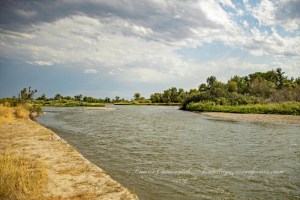
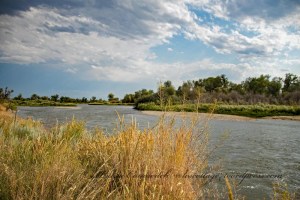
This is where Lewis and Clark stayed in 1805. The park encompasses the confluence of the Jefferson, Madison and Gallatin Rivers. Together, they merge to form the 2,300 mile Missouri River.

Missouri Headwaters State Park

The Missouri Headwaters area was a geographical focal point important to early Native Americans, trappers, traders and settlers.

Missouri Headwaters State Park

Lewis and Clark noted the area as being home to the Blackfeet Nation, as well as numerous grizzly bears. They also saw it as being of strategic importance to the United States government and recommended a fort be built along the river. It was at this location that the Hidatsa tribe captured Lewis and Clark’s native guide, Sacagewea.  

Missouri Headwaters State Park

The park is a beautiful and serene place in which to stretch your legs after driving all day!

Missouri Headwaters State Park

Missouri Headwaters State Park

Gallatin City was built by pioneers at the headwaters in Montana in 1862-63.

In 1864, President Lincoln declared Montana a Territory and Gallatin County, (one of nine Montana counties) named Gallatin City the county seat. 

When Bozeman was voted the county seat in 1867 and the Northern Pacific Railroad was scheduled to by-pass Gallatin City, the town was gradually abandoned.

Missouri Headwaters State Park

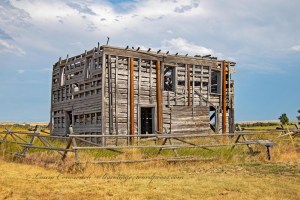
All that remains of the city is the frame of the hotel, shored up by beam supports.

Missouri Headwaters State Park

I was aware of John Colter’s story, the first known mountain man, but he wasn’t ‘real’ to me until I came across this signboard at the headwaters.

So much better to be standing where he was standing to bring him alive to me.

Missouri Headwaters State Park

Do you enjoy American history, or the history of your area? Do you get out and explore? I hope you do.

Keep smiling.

See the world around you!